
Create an autism friendly summer schedule for your child!

Summer break should be a time of joy, not chaos. Here’s how one special education teacher transformed her family’s summers—and how you can too.
The Summer Struggle Is Real
Picture this: It’s the first week of summer break. Your child with autism, who thrived on school routines, is now melting down at every transition. Your carefully planned “relaxing summer” has turned into a battlefield of confusion, resistance, and exhaustion. Summer Structure = School Success: Why Kids with Autism Need Predictable Routines Now!
I’ve been there—both as a special education teacher watching my students struggle with summer transitions, and as Jacob’s mom, witnessing firsthand how the loss of structure can derail our entire family’s peace.
The truth? Children with autism and learning differences don’t just want structure—they need it to feel safe, confident, and capable.
I figured out how to create autism friendly routines:
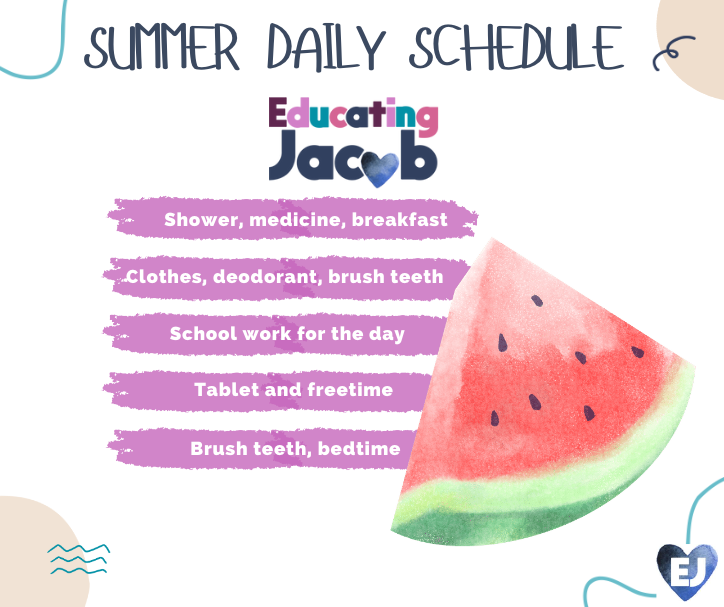
Why Summer Schedules Are Game-Changers for Autism Families
Calm Through Predictability
When Jacob was younger, asking him to do anything without warning guaranteed a meltdown. His brain needed time to process transitions, and verbal demands felt overwhelming. A visual schedule became our Calm strategy—creating peaceful transitions by showing rather than telling. Craving CALM? 3 ways our CALM system turns autism’s behavior challenges into progress.
Authentic Communication Without Words
Schedules became Jacob’s voice when words failed him. Instead of struggling with verbal instructions, he could see his day laid out clearly. This Authentic approach honored his communication style and reduced daily friction.
Learning That Builds Independence
Every successful schedule completion built Jacob’s confidence. These Learning opportunities weren’t just about following rules—they were about developing the life skills he’d need as an adult.
Meaningful Structure That Grows With Your Child
Our schedules evolved from simple “First-Then” boards to complex monthly planners. This Meaningful progression showed Jacob (and us) how capable he truly was.
To start, my first summer schedule was a : First – Then schedule.
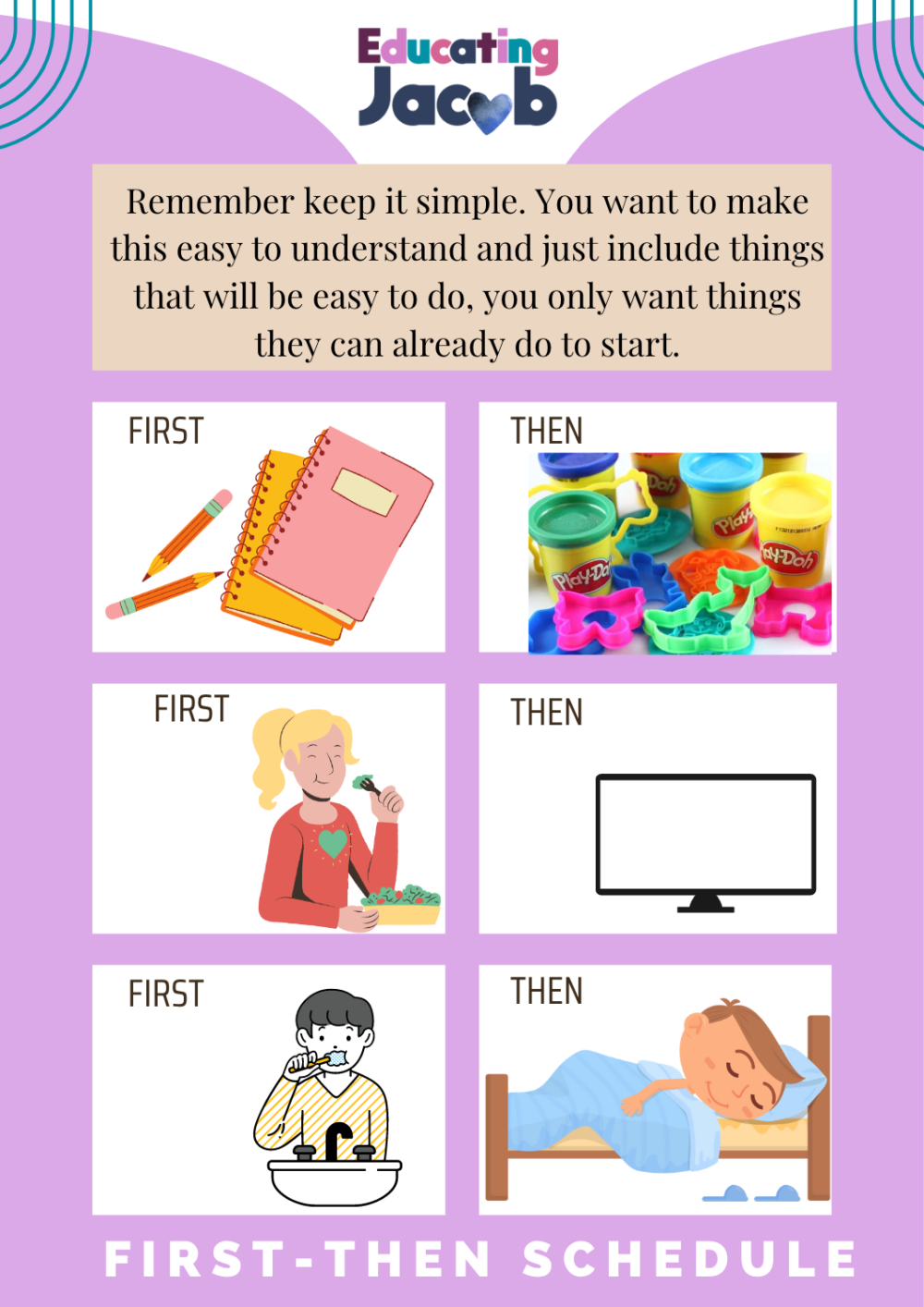
To start, my first schedule was a First – Then. Meaning, first you do this…. Then you get this. After this is accomplished and your child is successful, then you can add another task. You can make a list and use pictures. There are so many different ways you can create a schedule and make it fit your life and your child’s needs.
Jacob’s daily work schedule always has a small chapter book of some kind to keep him reading. During the summer Barnes and Noble usually offers free books to kids who read and turn in their list. Why Most Visual Schedules Fail (And How to Fix Yours)
The CALM Summer Schedule System: From Chaos to Confidence
Phase 1: Start Simple with First-Then Schedules
Your first summer schedule should be beautifully simple:
- First: Complete one preferred activity
- Then: Earn one highly motivating reward
Example: First breakfast, then iPad time.
This builds success patterns and trust in the system before adding complexity. https://www.popsugarcafe.com/blogs/news/summer-schedule-ideas-autistic-children-calm-visual-and-family-friendly
Phase 2: Expand to Daily Routines
Once your child masters First-Then, expand to a full daily schedule:
Jacob’s Typical Summer Weekday (Elementary Years):
- 8:00 AM – Breakfast
- 9:00 AM – Reading time (chapter book)
- 10:00 AM – Educational activity
- 11:00 AM – Free choice time
- 12:00 PM – Lunch
- 1:00 PM – Quiet time/rest
- 2:00 PM – Outdoor activity
- 3:00 PM – Structured play
- 4:00 PM – Help with dinner prep
- Evening routine…
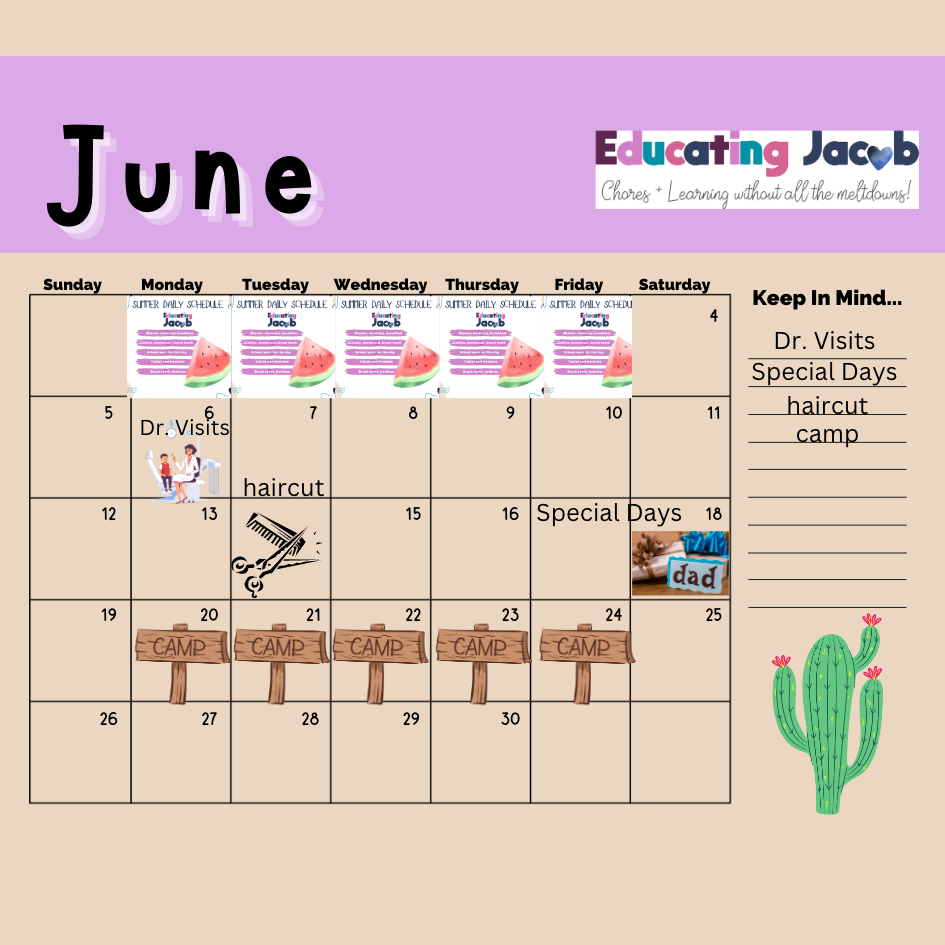
Phase 3: Master Monthly Planning
Jacob at 27 still uses monthly schedules that include:
- Daily routines and self-care reminders
- Special events and appointments
- Family schedule integration
- Independent living skills practice
Pro Tips for Schedule Success
Make It Visual
- Use photos of your actual child doing activities
- Include pictures of preferred items and places
- Consider apps like First-Then Visual Schedule or Choiceworks
Build in Flexibility
- Include “choice time” slots
- Have backup activities ready
- Allow for spontaneous family moments
Celebrate Progress
- Acknowledge schedule completion
- Take photos of successful days
- Let your child help update their schedule
Real-Life Summer Schedule Ideas
Learning Activities That Don’t Feel Like School:
- Library visits and reading challenges
- Cooking projects that teach math and following directions
- Nature scavenger hunts
- Art projects with step-by-step visual guides
Sensory-Friendly Summer Fun:
- Morning walks before it gets hot
- Water play with scheduled breaks
- Quiet indoor activities during peak sun hours
- Evening family bike rides
Community Connection:
- Regular grocery store trips to practice social skills
- Playground visits at less crowded times
- Special needs swimming programs
- Structured playdates with understanding families
Summer Chaos Free:

When Schedules Go Wrong (And How to Fix Them)
Problem: Your child resists the schedule completely. Solution: Start smaller. Maybe begin with just morning routine, then gradually add activities.
Problem: Meltdowns still happen at transition times. Solution: Add visual countdown timers and “almost finished” warnings to your schedule.
Problem: Siblings feel left out or resentful of the structure. Solution: Create family schedules that include special one-on-one time with each child.
The Long-Term Payoff
Jacob is now 27, and our early investment in summer schedules has paid dividends. He independently manages his daily routines, anticipates appointments, and even helps his younger cousins understand their schedules when they visit.
The real magic? Those chaotic summer days transformed into our family’s favorite memories—beach trips Jacob could anticipate and prepare for, structured camping adventures he could pack for independently, and quiet reading mornings that became our special tradition.
Your Next Steps: Creating Your CALM Summer
- Choose one transition that’s currently causing stress
- Create a simple First-Then schedule for just that moment
- Use pictures of your child and their actual environment
- Practice for three days, then celebrate success
- Gradually add one more scheduled activity per week
Remember: Progress Over Perfection
Every child with autism is beautifully unique. Your schedule might look different from Jacob’s, and that’s exactly how it should be. The goal isn’t perfect compliance—it’s creating a framework where your child can thrive, learn, and enjoy their summer alongside the whole family.
Summer doesn’t have to be about surviving until school starts again. With the right CALM approach, it can become the season where your child’s confidence blooms and your family finds its rhythm.
About the Author
As both a special education teacher and autism mom, I’ve spent over two decades discovering what actually works for families like ours. My CALM strategies have helped thousands of families move from surviving to thriving. Connect with me at EducatingJacob.com for more practical autism parenting resources