Uncategorized

  • Fun Family Activities: A Parent’s Guide for a Joyful Season with Autism๐ŸŽ„

    making the holidays work for your autistic child
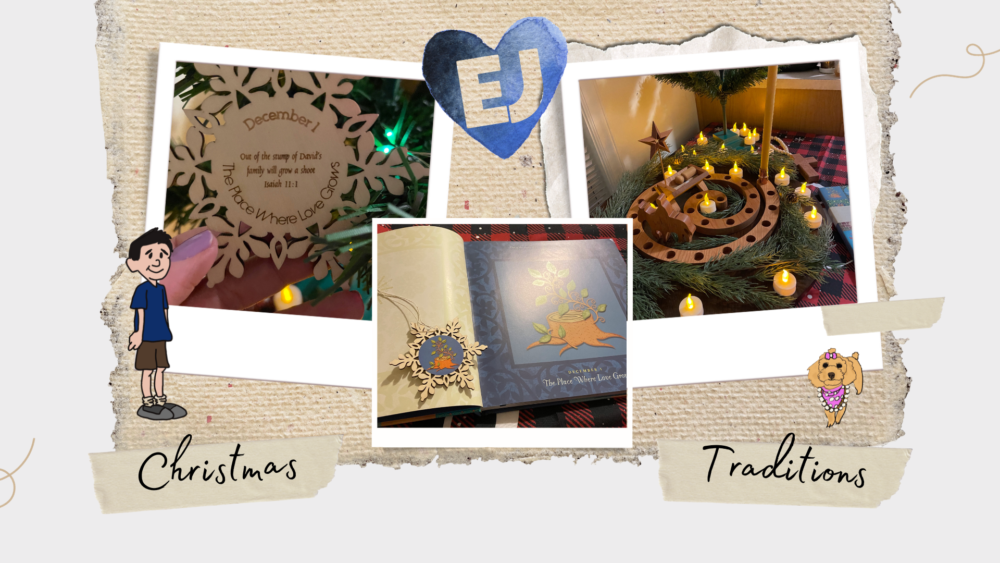
    Advent scripture decorations and wreath serves as our visual guide to the story of Christ’s birth.

    Making the Holidays Work for Your Autistic Child: Real Strategies from Our Family to Yours ๐ŸŽ„

    Because the most magical holiday moments aren’t always picture-perfectโ€”and that’s perfectly okay. โœจ


    Listen, I get it. You’re scrolling Pinterest at 11 PM, looking at all those “magical autism-friendly holiday traditions” posts, and thinking, “That’s cute, but my kid would have a meltdown before we even got the glitter out.” ๐Ÿ˜…

    Been there. Done that. Have the sensory-overload-induced tears to prove it (both his and mine).

    Here’s the truth about making the holidays work for your autistic child: It’s messy. It’s unpredictable. And it looks nothing like those Instagram reels. But with some strategic planning and a whole lot of grace, you can create holiday memories that feel good for your whole familyโ€”even if they look totally different from what you imagined.

    Let me share what’s actually working in our house this December, along with some practical strategies you can steal, adapt, or completely ignore if they don’t fit your child. ๐Ÿ’š

    making the holidays work for your autistic child
    Advent activities for Jacob!

    The Reality Check We All Need โ˜•

    Jacob loves Christmas. Like, countdown-starting-in-August kind of love. But here’s what took me years to accept: loving Christmas and tolerating traditional Christmas activities are two completely different things.

    Jacob doesn’t do the whole “family gathered around the tree unwrapping presents together” thing anymore. It’s too muchโ€”the noise, the expectations, the wrapping paper chaos, everyone watching him react “appropriately.”

    And you know what? That’s okay. ๐Ÿ‘

    We’ve learned that making the holidays work for your autistic child means ditching the Hallmark movie script and writing your own story. Here’s ours.

    Strategy #1: Rethink Gift-Giving Entirely ๐ŸŽ

    What we used to do: Wrapped presents under the tree, Christmas morning chaos, forced family togetherness while opening gifts.

    What we do now: Gift bags. Just gift bags. No tape, no wrapping paper, no sensory nightmare of ripping and tearing while everyone stares.

    Here’s the magic partโ€”Jacob picks up his bag and takes it to his room when he’s ready. Sometimes that’s immediately. Sometimes it’s an hour later. Sometimes he peeks in, leaves, comes back three times before he’s ready to dive in.

    And we let him. โœ…

    Your Action Step: Ask yourselfโ€”what part of gift-giving actually matters? For us, it’s Jacob feeling excited and safe, not performing joy on command. Maybe for your child, it’s opening one gift at a time over several days. Maybe it’s no surprises at allโ€”just ordering exactly what they want and skipping the “surprise” element entirely.

    The tradition isn’t the wrapping. It’s the joy. Find what creates joy for your child. ๐Ÿ’ซ

    Strategy #2: Master the “Drive-By” Participation ๐Ÿƒโ€โ™‚๏ธ

    Jacob doesn’t sit through full family movie nights anymore. But he does what we lovingly call “drive-bys.”

    He’ll zoom through the living room where we’re watching Charlie Brown Christmas, shout his favorite line (“I never thought it was such a bad little tree!”), grin when we shout back the next line, then disappear back to his room.

    Ten minutes later? Another drive-by. Another quote exchange. Another moment of connection. ๐Ÿ’™

    This is participation. Just because it doesn’t look like everyone snuggled on the couch doesn’t mean it’s not meaningful.

    Your Action Step: Redefine what “family time” means in your house. Is your child happy in the same general vicinity? That counts. Do they check in periodically? That counts. Are they comfortable enough to be themselves in your space? That really counts. โญ

    Make a list of your child’s favorite movie quotes and have them ready. Turn drive-bys into a game. Let them set the pace.

    Strategy #3: Give Control Through Choices (Even Small Ones) ๐ŸŽฏ

    We’ve learned that making the holidays work for your autistic child often comes down to one thing: control. Not control over everything, but control over something.

    For Jacob, it’s snacks or a movie selection. Before our “family” movie night (even if he’s not fully participating), Jacob picks:

    • What snacks we’re having ๐Ÿฟ
    • Which holiday movie we’re watching ๐Ÿ“บ
    • What time we’re starting โฐ

    Even if he only shows up for drive-bys, he knows he controlled those decisions. That sense of agency makes all the difference.

    Your Action Step: Identify three small holiday decisions your child can own completely:

    • Which day to decorate (within a reasonable window) ๐ŸŽจ
    • What goes on the tree ๐ŸŽ„
    • What’s for Christmas dinner ๐Ÿฝ๏ธ
    • Which relatives to video call (and for how long) ๐Ÿ“ฑ
    • Whether to participate in a specific tradition at all โœจ

    Write these down. Make them visual if needed. Then honor those choicesโ€”even when they’re different from what you’d prefer.

    The Traditions That Actually Work for Us ๐ŸŒŸ

    Let me share the holiday activities that have survived Jacob’s “absolutely not” filter over the years. These are our real autism holiday fun momentsโ€”the ones where I see him genuinely happy, not just tolerating an activity.

    The Cradle-to-Cross Wreath: Structure Meets Meaning ๐Ÿ•ฏ๏ธ

    We use The Keeping Company’s Cradle-to-Cross Wreathโ€”a beautiful wooden advent wreath with scripture decorations.

    Why it works for Jacob:

    • Visual and concrete: He can see the progression through Advent ๐Ÿ‘€
    • Same routine daily: Light candle, add decoration, read scripture ๐Ÿ“–
    • Predictable timing: Takes exactly 5-7 minutes โฑ๏ธ
    • Clear endpoint: When we reach the cross, Christmas is here ๐ŸŽ„

    This is making the holidays work for your autistic child in actionโ€”taking something meaningful and making it accessible through structure and routine.

    Ceramic Christmas Tree Painting: Controlled Mess ๐ŸŽจ

    Remember those vintage ceramic Christmas trees? I decided to make omy own, and Jacob actually enjoys it because:

    • It’s a contained mess (paint stays on the tree) โœ…
    • No time pressureโ€”we can paint over multiple days ๐Ÿ“…
    • He can see exactly what the finished product will look like (we show him examples first) ๐Ÿ‘๏ธ
    • It connects to a sensory activity he genuinely enjoys (painting) ๐Ÿ–Œ๏ธ

    Check out Greg’s Pottery on Instagram for ideas. But honestly? A plain ceramic tree from a craft store works just fine.

    Pro Tip: Do this activity in November, before the holiday chaos hits. That way it’s just a fun activity, not another demand during an already overwhelming season. ๐Ÿ’ก

    making the holidays work for your autistic child
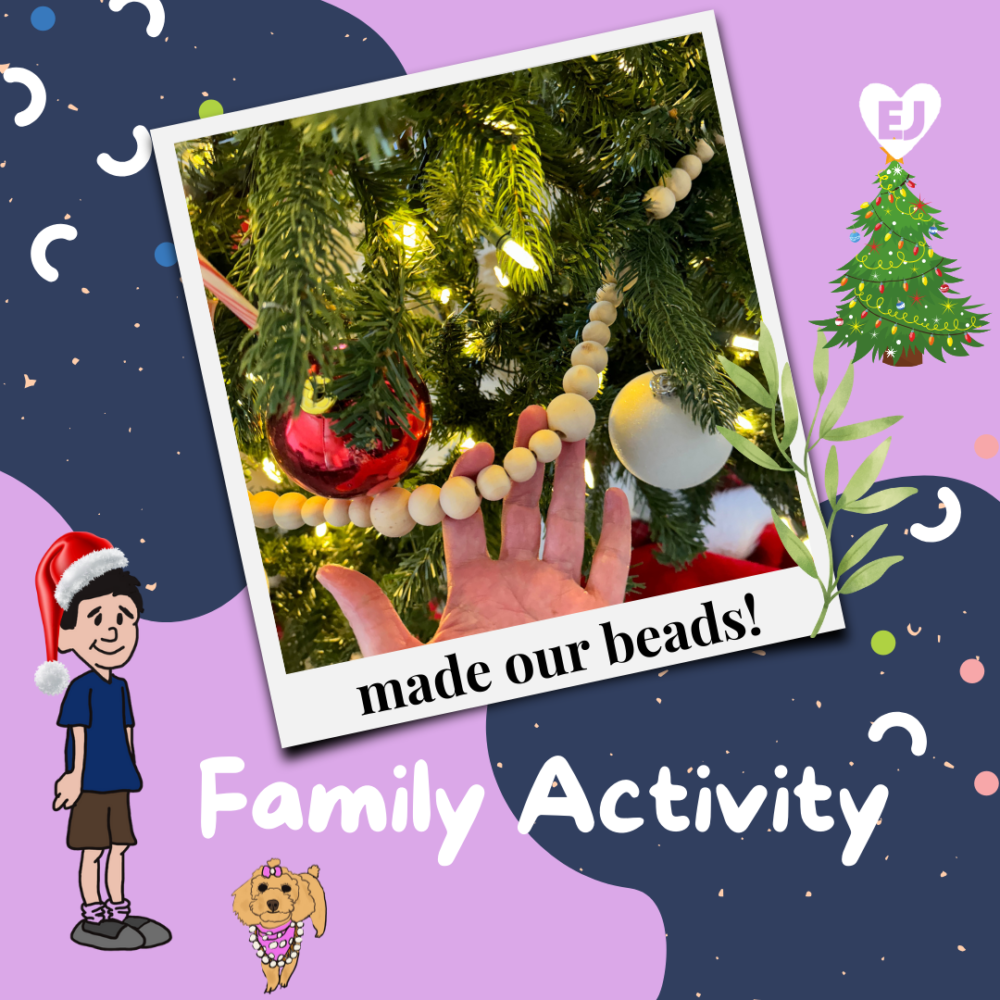
    Macrame beads for a strand on the tree!

    DIY Wooden Garland: Hands-On Success ๐Ÿงถ

    We ordered macrame beads from Amazon and let Jacob create wooden garland strands for the tree.

    Why this works:

    • Repetitive, calming motion (threading beads) ๐Ÿ”„
    • Clear beginning and end โœจ
    • Visible result he can feel proud of ๐Ÿ†
    • Low sensory input (just wood and string, no glitter or chaos) ๐ŸŒฟ

    He doesn’t do this with usโ€”he does it in his room, at his pace, while listening to his music. And that’s perfect. ๐ŸŽต

    The Cookie Situation: Know Your Child ๐Ÿช

    Jacob loves my homemade cookies year-round. But at Christmas? He wants those Pillsbury Christmas-shaped cookies from the commercial.

    Why? Because they connect to his favorite holiday movies. The commercial reminds him of Rudolph and Charlie Brown. ๐Ÿ“บ

    The lesson here: Sometimes the “special” thing isn’t special because it’s homemade or elaborate. It’s special because it connects to something meaningful for your child.

    Don’t fight it. Just buy the cookies. ๐Ÿ˜Š

    Movie Marathon, Redefined ๐ŸŽฌ

    Our December movie lineup is sacred:

    • A Charlie Brown Christmas ๐ŸŽ„
    • A Year Without a Santa Claus โ„๏ธ
    • Rudolph the Red-Nosed Reindeer ๐ŸฆŒ
    • The Santa Claus 2 ๐ŸŽ…
    • Jingle All the Way ๐ŸŽ

    But like I saidโ€”Jacob doesn’t sit through them anymore. He orbits. He drive-bys. He quotes them from his room. ๐Ÿ’ฌ

    Your Action Step: Let go of the picture in your head. If your child knows every line but watches from the hallway? They’re still engaging. If they only like one 10-minute segment? Play that segment on repeat. This is their tradition, not a performance. ๐ŸŽญ

    Amazon Wishlists: Start Early, Reduce Anxiety ๐Ÿ“

    Jacob makes his Christmas list starting in August (right after his birthday).

    I used to think this was “too early.” Now I realize it’s brilliantโ€”it gives him months to process, change his mind, and feel in control. ๐Ÿง 

    He shows me exactly what he wants on Amazon. No surprises. No guessing. No disappointment. ๐Ÿ›’

    Making the holidays work for your autistic child sometimes means accepting that surprises aren’t fun for everyone. And that’s okay. โœจ

    #MakingTheHolidaysWorkForAutism
    Chloe’s Christmas hair day!

    Social Emotional Pup: The Furry Buffer ๐Ÿพ

    Our dog Chloe is essential to our holiday survival. She:

    • Provides sensory comfort when things get overwhelming ๐Ÿ’™ mostly for mom and dad but Jacob is warming!
    • Creates predictable routines (toy clean up, feeding times) that ground the day โฐ
    • Gives Jacob something to focus on during chaotic family moments ๐Ÿ‘€ Usually putting toys back in the basket!
    • Makes him laugh (especially when he tricks her with her Bark Box toys) ๐Ÿ˜‚

    Does her enthusiasm sometimes annoy Jacob? Absolutely. But she’s also a safe, predictable constant in a season of change. ๐ŸŒŸ

    If you have a pet, lean into them during the holidays. They’re often the steadiest thing in your child’s world right now. ๐Ÿ•

    Memory Books: The Gift That Keeps Giving ๐Ÿ“ธ

    Every year, we create a scrapbookโ€”either on Shutterfly or Google Photos. He has homemade books of family members and trips to the beach and Great Wolf Lodge!

    Jacob loves these books. He pulls them out to:

    • Remember what we did last year ๐Ÿ“–
    • Prepare for what’s coming ๐Ÿ—“๏ธ
    • Process the holidays after they’re over ๐Ÿงฉ
    • Remind me when traditions are approaching โฐ

    This is visual support gold. These books serve as:

    • Social stories about our specific traditions ๐Ÿ“š
    • Proof that change is temporary โœ…
    • Concrete evidence that he survived (and maybe even enjoyed) past holidays ๐Ÿ’š

    Start this tradition, even if this year is rough. Future you and future childย  will be so grateful. ๐Ÿ™ We can all see how far we’ve come!

    The Framework That Saves Us: CALM Through the Holidays ๐Ÿง˜โ€โ™€๏ธ

    When things get overwhelming (and they will), I come back to my CALM Framework:

    C – Consistent Action Forward ๐ŸŽฏ Keep one or two traditions consistent, even if everything else is flexible. For us, this year it’s been Christmas books with school work and movie quotes and themed cookies. Those happen no matter what.

    A – Always Celebrate Wins ๐ŸŽ‰ Jacob took his gift bag to his room instead of melting down? WIN. He did two drive-bys during the movie? WIN. He participated in his way? HUGE WIN.

    L – Learning to Create Schedules ๐Ÿ“… Use visual schedules for the whole month. Show when visitors are coming, when traditions happen, when regular routine returns. This reduces anxiety dramatically.

    M – Mindset ๐Ÿ’ญ Let go of “should.” Your holidays don’t need to look like anyone else’s. Jacob doesn’t sit through gift opening? So what. He’s happy, safe, and connected in his way. That’s what matters.ย How to Let Go of the Guilt and Find Peace as an Autism Mom, CALM Hacks!

    What to Do When It All Falls Apart ๐Ÿ˜ฐ

    Because let’s be realโ€”some years, it does. Article I found on sensory room tips! ๐Ÿ‘‰ https://themonterabbi.com/13-must-have-items-for-an-autism-sensory-room/

    When meltdowns happen:

    • Return to routine as quickly as possible ๐Ÿ”„
    • Cancel traditions that aren’t working (yes, even in the middle of them) ๐Ÿšซ
    • Lower your expectations even further ๐Ÿ“‰
    • Remember that your child’s nervous system is likely in overdrive โšก
    • Offer the quiet, dark, safe space they need ๐Ÿ›๏ธ

    When you feel like you’re failing:

    • You’re not. You’re adapting. ๐Ÿ’ช
    • Other families struggle too (they just don’t post it on Instagram) ๐Ÿ“ฑ
    • Your child needs you present, not perfect โค๏ธ
    • One meaningful moment is worth more than a dozen forced traditions โœจ

    Your Holiday Action Plan ๐Ÿ“‹

    Here’s what I want you to do right now:

    1. List your current holiday traditions โœ๏ธ
    2. Mark which ones your child actually enjoys (be honest) โœ…
    3. Identify which ones stress them out โš ๏ธ
    4. Choose 2-3 to keep, modify, or create new ๐ŸŽฏ
    5. Let the rest go ๐ŸŽˆ

    Then, create a visual schedule showing:

    • Which traditions happen when ๐Ÿ“†
    • What’s negotiable vs. non-negotiable ๐Ÿ”„
    • When normal routine returns ๐Ÿ 

    Share this with your child. Let them ask questions. Make adjustments. ๐Ÿ—ฃ๏ธย Autism meltdowns on Christmas break? You can use my CALM frameworks.

    The Truth About Making the Holidays Work ๐Ÿ’ฏ

    Making the holidays work for your autistic child isn’t about finding the perfect autism-friendly activities. It’s about:

    • Knowing your specific child ๐Ÿ‘ฆ
    • Honoring their needs over tradition ๐Ÿ™
    • Redefining what “together” means ๐Ÿ’š
    • Celebrating connection in whatever form it takes โœจ
    • Releasing guilt about what you’re not doing ๐ŸŽˆ

    Jacob doesn’t unwrap gifts with us. But he lights up every time we nail a movie quote exchange during his drive-bys. ๐Ÿ’ซ

    He doesn’t sit through dinner. But he picks the menu. ๐Ÿฝ๏ธ

    He doesn’t pose for family photos. But he proudly shows off the garland he made. ๐Ÿงถ

    This is our autism holiday fun. It’s not perfect. It’s not Pinterest-worthy. ๐Ÿ“Œ

    But it’s ours. And it works. โค๏ธ

    Children on the autism spectrum often need sameness and repetition.
    #sameness

    You’ve Got This, Mama ๐Ÿ’ช

    The holidays are coming whether we’re ready or not. But here’s what I know for sure:

    You don’t need to do all the things. You don’t need to create magic. You don’t need your child to participate “correctly.” โœ…

    You just need to show up with love, flexibility, and a willingness to throw the script out the window when needed. ๐ŸชŸ

    Making the holidays work for your autistic child is about making space for them to experience joy in their way. Even if that way includes gift bags, drive-bys, and absolutely zero sitting still. ๐ŸŽ

    Those drive-by movie quote exchanges? They’re our new tradition. And honestly? They’re better than anything I could have planned. ๐Ÿ’™

    So this December, I’m giving you permission to:

    • Skip the traditions that don’t serve your family โŒ
    • Create weird new ones that actually work โœจ
    • Let your child opt out of activities without guilt ๐ŸŽˆ
    • Celebrate the small wins ๐ŸŽ‰
    • Remember that presence matters more than presentation ๐Ÿ’š

    Your holidays don’t need to look like mine. They just need to feel good for your family. โค๏ธ

    And if they don’t? There’s always next year to try something different. ๐Ÿ”„

    Want more strategies for navigating autism parenting? Join me in the Autism Thrive Tribe where we share what’s actually working (and what’s spectacularly failing) in real-time. Because we’re all figuring this out together. ๐Ÿ’ช

    Now go forth and create your own perfectly imperfect holiday traditions. Your childโ€”and your sanityโ€”will thank you. ๐Ÿ™

    ๐ŸŽ„โœจ

    Pin this for later: “Making the Holidays Work for Your Autistic Child – Real strategies from an autism mom who’s been there. Forget perfect traditionsโ€”here’s how to create meaningful moments that actually work for your family. #AutismHolidayFun #AutismParenting #AutismMom” ๐Ÿ“Œ

    Read More

  • Create an autism friendly summer schedule for your child!

    ย 

    summer-fun-is-on-the-schedule
    Jacob having fun at Barnes and Noble!

    Summer break should be a time of joy, not chaos. Here’s how one special education teacher transformed her family’s summersโ€”and how you can too.

    The Summer Struggle Is Real

    Picture this: It’s the first week of summer break. Your child with autism, who thrived on school routines, is now melting down at every transition. Your carefully planned “relaxing summer” has turned into a battlefield of confusion, resistance, and exhaustion.ย Summer Structure = School Success: Why Kids with Autism Need Predictable Routines Now!

    I’ve been thereโ€”both as a special education teacher watching my students struggle with summer transitions, and as Jacob’s mom, witnessing firsthand how the loss of structure can derail our entire family’s peace.

    The truth? Children with autism and learning differences don’t just want structureโ€”they need it to feel safe, confident, and capable.

    I figured out how to create autism friendly routines:

    Autism-friendly-summer-routine
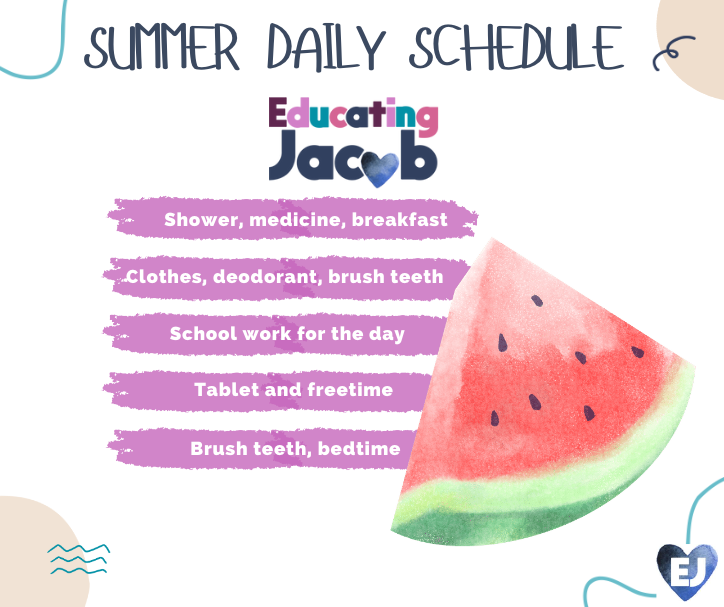
    This is a typical daily summer schedule during the week.

    Why Summer Schedules Are Game-Changers for Autism Families

    Calm Through Predictability

    When Jacob was younger, asking him to do anything without warning guaranteed a meltdown. His brain needed time to process transitions, and verbal demands felt overwhelming. A visual schedule became our Calm strategyโ€”creating peaceful transitions by showing rather than telling.ย Craving CALM? 3 ways our CALM system turns autism’s behavior challenges into progress.

    Authentic Communication Without Words

    Schedules became Jacob’s voice when words failed him. Instead of struggling with verbal instructions, he could see his day laid out clearly. This Authentic approach honored his communication style and reduced daily friction.

    Learning That Builds Independence

    Every successful schedule completion built Jacob’s confidence. These Learning opportunities weren’t just about following rulesโ€”they were about developing the life skills he’d need as an adult.

    Meaningful Structure That Grows With Your Child

    Our schedules evolved from simple “First-Then” boards to complex monthly planners. This Meaningful progression showed Jacob (and us) how capable he truly was.

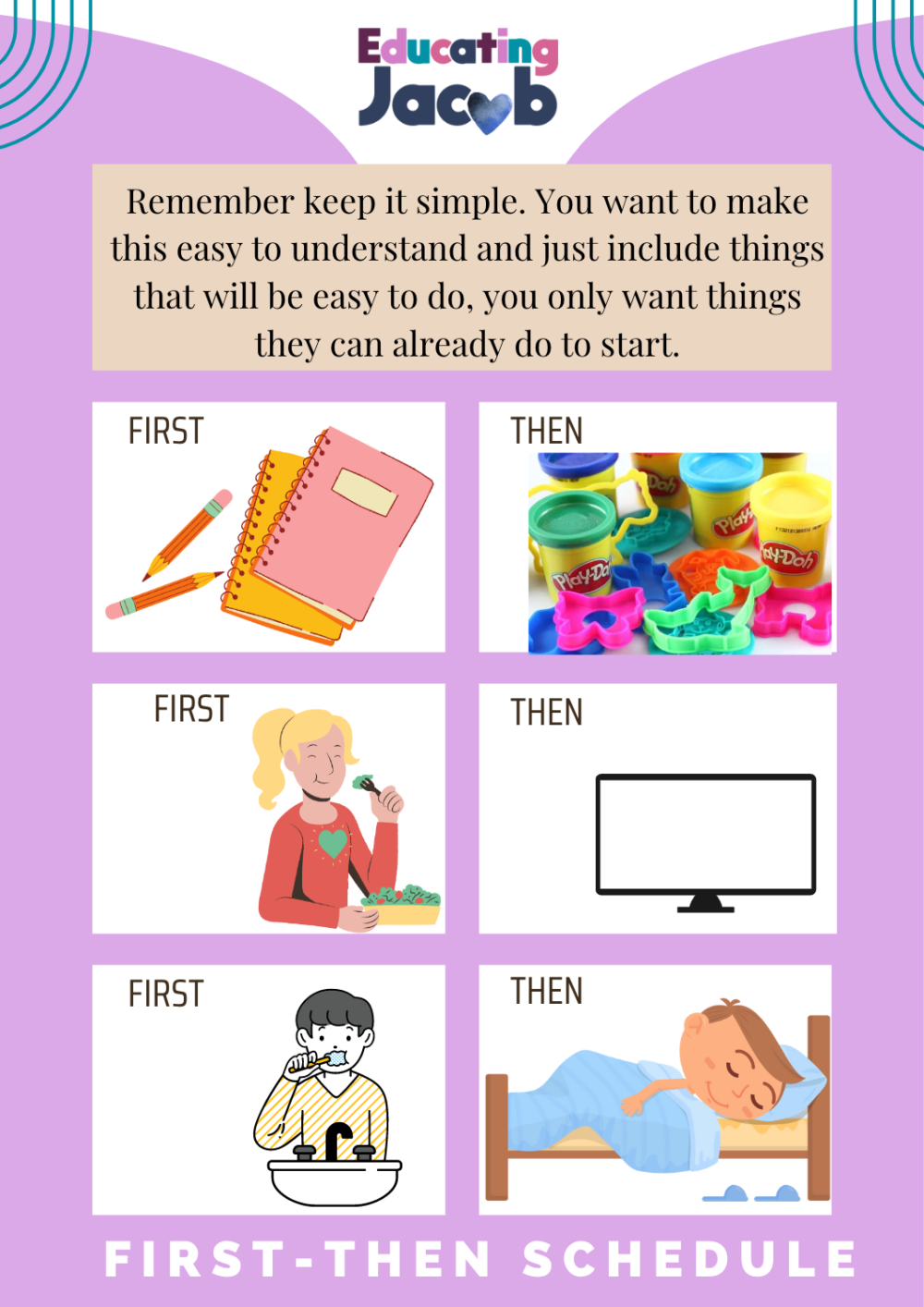
    To start, my first summer schedule was a : First – Then schedule.

    Organized-schedule-for-autistic-children
    Simple First Then Schedule

    To start, my first schedule was a First – Then. Meaning, first you do thisโ€ฆ. Then you get this. After this is accomplished and your child is successful, then you can add another task. You can make a list and use pictures. There are so many different ways you can create a schedule and make it fit your life and your childโ€™s needs.

    Jacob’s daily work schedule always has a small chapter book of some kind to keep him reading. During the summer Barnes and Noble usually offers free books to kids who read and turn in their list.ย Why Most Visual Schedules Fail (And How to Fix Yours)


    Organized-schedule-for-autistic-children-during-summer
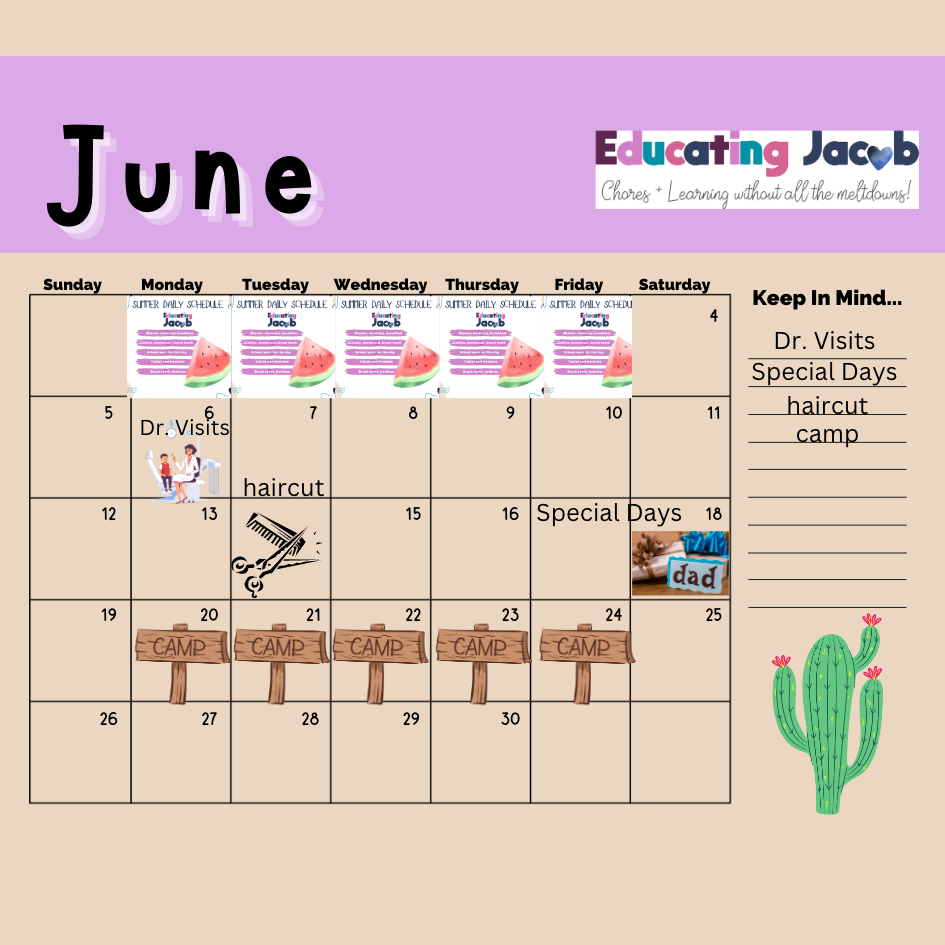
    List daily schedule and add in specials so your child knows whats coming in days ahead!

    The CALM Summer Schedule System: From Chaos to Confidence

    Phase 1: Start Simple with First-Then Schedules

    Your first summer schedule should be beautifully simple:

    • First: Complete one preferred activity
    • Then: Earn one highly motivating reward

    Example: First breakfast, then iPad time.

    This builds success patterns and trust in the system before adding complexity.ย https://www.popsugarcafe.com/blogs/news/summer-schedule-ideas-autistic-children-calm-visual-and-family-friendly

    Phase 2: Expand to Daily Routines

    Once your child masters First-Then, expand to a full daily schedule:

    Jacob’s Typical Summer Weekday (Elementary Years):

    • 8:00 AM – Breakfast
    • 9:00 AM – Reading time (chapter book)
    • 10:00 AM – Educational activity
    • 11:00 AM – Free choice time
    • 12:00 PM – Lunch
    • 1:00 PM – Quiet time/rest
    • 2:00 PM – Outdoor activity
    • 3:00 PM – Structured play
    • 4:00 PM – Help with dinner prep
    • Evening routine…

    Phase 3: Master Monthly Planning

    Jacob at 27 still uses monthly schedules that include:

    • Daily routines and self-care reminders
    • Special events and appointments
    • Family schedule integration
    • Independent living skills practice

    Pro Tips for Schedule Success

    Make It Visual

    • Use photos of your actual child doing activities
    • Include pictures of preferred items and places
    • Consider apps like First-Then Visual Schedule or Choiceworks

    Build in Flexibility

    • Include “choice time” slots
    • Have backup activities ready
    • Allow for spontaneous family moments

    Celebrate Progress

    • Acknowledge schedule completion
    • Take photos of successful days
    • Let your child help update their schedule

    Real-Life Summer Schedule Ideas

    Learning Activities That Don’t Feel Like School:

    • Library visits and reading challenges
    • Cooking projects that teach math and following directions
    • Nature scavenger hunts
    • Art projects with step-by-step visual guides

    Sensory-Friendly Summer Fun:

    • Morning walks before it gets hot
    • Water play with scheduled breaks
    • Quiet indoor activities during peak sun hours
    • Evening family bike rides

    Community Connection:

    • Regular grocery store trips to practice social skills
    • Playground visits at less crowded times
    • Special needs swimming programs
    • Structured playdates with understanding families
    Summer Chaos Free:
    Summer-family-fun-on-the-schedulecreate-autism-friendly-schedules
    Pic’s of the family over the years during summer!

    When Schedules Go Wrong (And How to Fix Them)

    Problem: Your child resists the schedule completely. Solution: Start smaller. Maybe begin with just morning routine, then gradually add activities.

    Problem: Meltdowns still happen at transition times. Solution: Add visual countdown timers and “almost finished” warnings to your schedule.

    Problem: Siblings feel left out or resentful of the structure. Solution: Create family schedules that include special one-on-one time with each child.

    The Long-Term Payoff

    Jacob is now 27, and our early investment in summer schedules has paid dividends. He independently manages his daily routines, anticipates appointments, and even helps his younger cousins understand their schedules when they visit.

    The real magic? Those chaotic summer days transformed into our family’s favorite memoriesโ€”beach trips Jacob could anticipate and prepare for, structured camping adventures he could pack for independently, and quiet reading mornings that became our special tradition.

    Your Next Steps: Creating Your CALM Summer

    1. Choose one transition that’s currently causing stress
    2. Create a simple First-Then schedule for just that moment
    3. Use pictures of your child and their actual environment
    4. Practice for three days, then celebrate success
    5. Gradually add one more scheduled activity per week

    Remember: Progress Over Perfection

    Every child with autism is beautifully unique. Your schedule might look different from Jacob’s, and that’s exactly how it should be. The goal isn’t perfect complianceโ€”it’s creating a framework where your child can thrive, learn, and enjoy their summer alongside the whole family.

    Summer doesn’t have to be about surviving until school starts again. With the right CALM approach, it can become the season where your child’s confidence blooms and your family finds its rhythm.

    About the Author

    As both a special education teacher and autism mom, I’ve spent over two decades discovering what actually works for families like ours. My CALM strategies have helped thousands of families move from surviving to thriving. Connect with me at EducatingJacob.com for more practical autism parenting resources

    Read More

  • Why buying Christmas presents can be hard when the child has autism.

    christmas presents can be hard when the child has autism
    #presentsandautism

    Christmas Presents for a Child with Autism Can Be Hard(And How to Make It Easier!)๐ŸŽ

    Ah, the holiday season โ€“ filled with joy, festivities, and the sometimes daunting task of buying the perfect Christmas presents. ๐ŸŽ„ But what if your gift recipient is a child with autism? The adventure takes on a whole new level of complexity. Imagine โ€œJingle All the Way,โ€ but instead of Turbo Man, youโ€™re hunting for sensory-friendly clothes, very specific DVDs, or the perfect gift card. Trust me, as Jacobโ€™s mom, Iโ€™ve been on this ride, and itโ€™s one Iโ€™ll never forget!ย Help! 3 Ways a schedule can help sensory issues and communication barriers? #Autism Challenges๐Ÿงฉ

    This year, letโ€™s navigate the maze of holiday gift-giving with empathy, patience, and practical tips. By applying strategies from Educating Jacobโ€™s CALM framework, youโ€™ll discover how to turn gift-giving into a source of joy instead of stress.

    A child with autism often has limited interests.
    #limitedinterests

    Limited Interests, Maximal Specificity ๐ŸŽฌ

    Jacob, like many children with autism, has some pretty specific interests. For him, it’s all about movies, but not just any movies. Oh no, we’re talking about films from the early 2000s with a certain cover from a specific year. Sounds challenging, right? It is. So, when we go shopping for Jacob, we’re on a mission – Amazon first, and if that doesn’t cut it, a detour to eBay might just save the day. The upside? We usually score a good deal. The downside? Jacob is as particular as a Michelin-starred chef. If it doesn’t meet his criteria, it’s a no-go, no matter how close it is to what he wants. You see, for kids like Jacob, the world isn’t just black and white; it’s an entire spectrum of details that matter. So, if the copyright date on the DVD doesn’t match his expectations, well, let’s just say, it’s going back to the seller faster than you can say “Santa Claus”!

    C: Consistency in Gift-Giving ๐ŸŽ

    For children like Jacob, consistency is key. He thrives on routine, and the holidays can feel overwhelming with so many changes and surprises. Jacob, like many children with autism, has specific and limited interests. For him, it’s all about moviesโ€”but not just any movies. Weโ€™re talking about films from the early 2000s with a particular cover or copyright date. If those details donโ€™t match, itโ€™s a no-go, no matter how similar the item might be.

    • Example: One Christmas, we scoured Amazon and eBay to find a DVD he wanted but only from a specific year. While it seemed trivial at first, we realized how much these details mattered to him. That DVD wasnโ€™t just a movieโ€”it was his way of finding comfort in predictability.
    • Tip: Stick to what you know works. If your child loves puzzles, find one similar to their favorite. If they have specific interests, dig into the details to make it a hit.
    Children with autism often have sensory issues.
    #sensoryissues

    A: Always Celebrate Their Preferences ๐ŸŽฌ

    Jacobโ€™s favorite things arenโ€™t just hobbies; theyโ€™re anchors of familiarity and joy. Whether itโ€™s a Chick-fil-A gift card or a beloved Marvel hoodie, honoring his preferences shows him that his needs matter.

    • Example: Gift cards have become a hit in our home! Jacob loves the independence of choosing his own items. He lights up when he gets to flash a gift card and pick something he truly wants.
    • Old Insight: One year, his grandmother gave him a beautifully illustrated book with a sentimental note written inside. It should have been perfect, but Jacob rejected it because it didnโ€™t match his expectation of a โ€œnewโ€ book. It wasnโ€™t about being ungrateful; it was about needing sameness.
    • Tip: Observe closely and tailor gifts to their preferences. If they love trains, make sure itโ€™s their type of train, not just any train.
    Children on the autism spectrum often need sameness and repetition.
    #sameness

    L: Learn to Adapt for Sensory Needs ๐Ÿงฆ

    Buying clothes for Jacob is like navigating a minefield of textures, tags, and seams. If itโ€™s not soft and tagless, itโ€™s a no-go.

    • Example: One year, we found a hoodie with Jacobโ€™s favorite character, but the material wasnโ€™t quite right. Lesson learned! Now, we always check fabrics carefully to avoid any sensory discomfort.
    • Old Insight: Even when we think weโ€™ve nailed it, thereโ€™s still a chance it might not meet Jacobโ€™s sensory standards. The texture might be off, or the stitching might feel scratchy to him. Itโ€™s not ungratefulnessโ€”itโ€™s just autism at play.
    • Tip: For clothing or tactile gifts, let your child feel the fabric or test it before purchasing. This small step can make a world of difference.

    M: Mindset Makes the Holiday Bright ๐ŸŒŸ

    One of the most important things Iโ€™ve learned is to approach the holidays with a calm and positive mindset. The perfect gift might not exist, but the perfect moment doesโ€”when your child feels loved and understood.

    • Example: One Christmas, Jacob refused to accept a beautifully illustrated book because someone had written inside it. It wasnโ€™t rejection; it was his need for sameness. Instead of being upset, we adapted by ensuring all future books stayed โ€œpristine.โ€
    • Old Insight: Another time, Jacob was thrilled with a Thomas the Train setโ€”until he realized it didnโ€™t include the exact engine he envisioned. We learned to communicate with him about expectations before surprises to avoid disappointment.
    • Tip: Expect the unexpected and focus on your childโ€™s joy, not perfection. Be patient, and know that itโ€™s okay to adjust on the fly.


    We wish you a Merry Christmas
    #ChristmasWithAutismย https://educatingjacob.com/3-ways-to-help-your-child-with-autism-enjoy-christmas-without-meltdowns-and-anxiety/

    Tips and Strategies for Autism-Friendly Holiday Shopping

    1. Stick to Familiar Favorites
      • Lean into the things your child already loves. Specific toys, books, or shows are a great starting point.
    2. Prioritize Sensory-Friendly Options
      • Look for tagless, soft, and seamless clothing or tactile gifts that suit your childโ€™s sensory preferences.
    3. Consider Gift Cards for Independence
      • Let your child pick their own gift! Whether itโ€™s Amazon, Target, or a local favorite, gift cards empower them with choice.
    4. Plan Ahead with Visual Schedules
      • Add holiday activities like shopping or gift-opening to your childโ€™s visual schedule to prepare them for changes in routine.
    5. Embrace Simplicity and Joy
      • Itโ€™s not about the cost or size of the gift. Itโ€™s about the love, effort, and understanding you bring to the experience.
    The Gift of Love and Understanding ๐ŸŽ„

    Buying Christmas presents for a child with autism is no easy task, but itโ€™s one filled with opportunities for growth, connection, and love. By applying the CALM frameworkโ€”consistency, celebrating preferences, adapting for sensory needs, and embracing a positive mindsetโ€”you can create a holiday season filled with joy and understanding.

    Now that the challenge of Christmas shopping for a child with autism is over, especially if you’re looking for ways to make Christmas more enjoyable. Check out last year’s post, ‘3 Ways To Help Your Child With Autism Enjoy Christmas Without Meltdowns And Anxiety,’ we explored strategies for a smoother holiday season. https://educatingjacob.com/3-ways-to-help-your-child-with-autism-enjoy-christmas-without-meltdowns-and-anxiety/

    ๐ŸงStruggling with daily routines and meltdowns? ๐ŸŒŸ As an autism parent coach, I help you transform chaos into calm.๐ŸŒŸ


    ๐Ÿ“…Schedule a discovery call

    ๐Ÿ‘‰๐Ÿผ Schedule hereย  ๐Ÿ”—ย 

    Letโ€™s work together to create a structured, peaceful home where your child can thrive.๐Ÿ“š

    Book a coaching session today and start seeing real, positive changes in your familyโ€™s life! ๐Ÿ’™

    Read More

  • Educating Jacob: The Power of Communication in Autism Spectrum Disorder

    Communication in Autism Spectrum Disorder

    Jake's clothes for going out!
    These clothes are for going out and sensory friendly.

    Communication in autism spectrum disorder plays a vital role in our Jacob’s ability to express himself. In our daily lives with Jacob, schedules allow us to communicate with him, connect him with others, and navigate the world around him.

    Autism Spectrum Disorder (ASD) is a developmental disorder that affects communication and social interaction skills, making it difficult for those with ASD to effectively express their thoughts, feelings, and needs.๐ŸŒŸ

    The Challenge of Communication in Autism

    For my son Jacob, communication has always been a significant hurdle. From a young age, he struggled to convey his needs and emotions, leading to frustration and meltdowns. As parents of children with autism, we understand the heartache of seeing our children struggle to be understood. ๐Ÿ’” But there is hope and immense power in finding the right tools and strategies to help them communicate.

    Methods of Communication in Autism Spectrum Disorder

    There are various methods and strategies that can help individuals with ASD enhance their communication skills, fostering greater independence, understanding, and inclusion. Here are some of the tools that have made a difference in Jacob’s life:

    AAC Devices

    Augmentative and Alternative Communication (AAC) devices have been game-changers for many children with autism. These devices range from simple picture boards to sophisticated speech-generating devices. ๐Ÿ—ฃ๏ธ๐Ÿ”Š

    Jacob used Proloquo2Go on his iPad, but we couldn’t get him to use it consistently, so simple visual schedules and ASL were the winners for us!

    Sign Language

    Should you use sign language with your child with autism?
    Using Sign Language helped to build Jacob’s vocabulary!ย https://www.facebook.com/1584731983/videos/1116777432916450/

    Sign language is another powerful tool. Teaching Jacob sign language not only helped him communicate his needs but also reduced his frustration. The physical act of signing gave him an alternative way to express himself when verbal communication was challenging. ๐ŸคŸ

    The act of signing allowed Jacob to speak the words we were signing without overwhelming him with language. We were speaking with our hands, and since he understood the signs, he was happy and avoided emotional meltdownsโ€”a win-win! 3 ways American Sign Language helped my son with autism speak in short sentences?

    Social Stories

    Social stories have been instrumental in helping Jacob understand social cues and navigate different situations. These personalized short stories describe social situations and appropriate responses, giving Jacob a script to follow and easing his anxiety. ๐Ÿ“–๐Ÿงฉ

    We use social stories and videos for everythingโ€”going to the dentist, doctor, or vacation. Social stories, pictures, visual schedules, and movies are immediately understood by Jacob and are enjoyable for him!

    Independence and Communication in ASD

    For Jacob, every new way he learns to communicate opens up his world a little more, fostering greater independence and inclusion. ๐ŸŒ๐Ÿ’ฌ

    Breaking Barriers with Communication

    Join us as we delve into the transformative power of communication for those on the autism spectrum. From AAC devices to sign language to social stories, there are a multitude of tools and techniques that can empower individuals with ASD to communicate effectively and have their voices heard. By exploring and implementing these strategies, we can help our children break barriers and thrive in their own unique ways. ๐ŸŒˆ๐Ÿ’ช

    Challenges Faced by Individuals with ASD in Communication

    Individuals with Autism Spectrum Disorder often face a range of challenges when it comes to communication. These challenges can vary in severity and can significantly impact an individual’s ability to effectively express themselves and engage with others. ๐ŸŒ๐Ÿ—ฃ๏ธ

    Non-Verbal Communication

    One of the primary communication challenges for individuals with ASD is the difficulty in understanding and interpreting social cues and non-verbal communication. Individuals with ASD may struggle to recognize facial expressions, tone of voice, and body language, which are crucial components of effective communication. This can lead to misunderstandings and difficulties in initiating and maintaining conversations. ๐Ÿ˜•๐Ÿคทโ€โ™€๏ธ

    Example: For Jacob, this meant missing out on the subtleties of social interactions, often leading to frustration for both him and those trying to communicate with him.

    Engaging in Reciprocal Communication

    Another common challenge is the ability to engage in reciprocal communication. Individuals with ASD may have difficulty taking turns in a conversation, maintaining eye contact, and responding appropriately to social interactions. This can make it challenging for them to build and maintain meaningful relationships with others. ๐Ÿ”„๐Ÿ‘€

    Example: Jacob often found it hard to keep a conversation going, which sometimes made social interactions feel one-sided or awkward.

    Understanding Social Cues in Autism Spectrum Disorder

    Additionally, individuals with ASD may have difficulties in understanding and using language effectively. They may struggle with vocabulary, grammar, and the pragmatic aspects of language, such as using language in a socially appropriate manner. This can result in difficulties in expressing their thoughts, feelings, and needs, leading to frustration and isolation. ๐Ÿ“š๐Ÿ—ฃ๏ธ

    Example: Jacob’s language delays meant that even simple exchanges could be challenging, making it hard for him to convey his needs or participate fully in conversations.

    Sensory Processing Challenges

    Furthermore, individuals with ASD may experience sensory processing challenges that can impact their communication abilities. Certain sounds, textures, or environments may be overwhelming, making it difficult for them to focus on and engage in conversations. ๐Ÿ”Š๐Ÿšซ

    Example: Jacob found noisy environments particularly challenging, which often caused him to withdraw from social settings.

    Communication Strategies for Individuals with ASD

    Individuals with Autism Spectrum Disorder (ASD) face a range of communication challenges, but with the right strategies and support, they can develop and enhance their communication skills. Here are some effective communication strategies that have benefited Jacob and can help other individuals with ASD:

    Visual Supports

    A-little-planning-goes-a-long-way
    Jacob has sensory friendly clothes, school work in zippered bags and headphones!

    Incorporating visual aids, such as pictures, symbols, or schedules, can help individuals with ASD better understand and express themselves. Visual supports provide a clear and concrete way for them to communicate their needs, preferences, and ideas. ๐Ÿ–ผ๏ธ๐Ÿ“Š

    We use a visual schedule for Jacob to help him understand his daily activities and reduce anxiety. This method has significantly improved his ability to transition between tasks and communicate his needs. Here is good podcast on visual schedules and speech:ย https://www.iheart.com/podcast/263-slp-coffee-talk-57469512/episode/visual-supports-can-create-predictable-systems-101691070/

    Structured Routines and Predictability

    Establishing predictable routines and schedules can help individuals with ASD feel more secure and comfortable, which can, in turn, facilitate better communication. By providing a structured environment, individuals with ASD can better anticipate and navigate social interactions. ๐Ÿ“…๐Ÿ”„

    Jacob thrives on routine. Having a consistent schedule helps him know what to expect each day, making it easier for him to engage in conversations and social activities.ย Beyond the Chaos: Scheduling 101 Class for Special Needs Children

    Simplifying Language

    Using clear, concise, and age-appropriate language can help individuals with ASD understand and respond more effectively. Avoiding complex sentences, idioms, and abstract concepts can make communication more accessible and meaningful. ๐Ÿ—ฃ๏ธโœ‚๏ธ

    Example: We keep our language simple when communicating with Jacob. Short, direct sentences help him understand and respond better, reducing misunderstandings.

    Allowing Time for Processing

    Individuals with ASD may need more time to process information and formulate their responses. Providing them with ample time to respond, without interrupting or rushing them, can create a more comfortable and supportive communication environment. โณ๐Ÿ•’

    When asking Jacob a question, we give him extra time to think and respond. This patience allows him to communicate more effectively and confidently.

    Reinforcing Positive Communication

    Positively reinforcing and acknowledging successful communication attempts, no matter how small, can help build confidence and encourage individuals with ASD to continue developing their communication skills. ๐ŸŒŸ๐Ÿ‘

    Positive reinforcement has been key in building Jacob’s confidence.

    Incorporating Interests and Passions

    Engaging individuals with ASD in conversations about their interests can help them feel more motivated to communicate. Look for ways to provide opportunities for them to share their unique perspectives and experiences. ๐ŸŽจ๐Ÿš€

    Jacob loves talking about movies and music. Incorporating these topics into our conversations keeps him engaged and eager to communicate.

    Modeling Appropriate Communication

    Demonstrating and modeling appropriate social and communication skills can help individuals with ASD learn and practice these skills in a supportive environment. ๐Ÿ“š๐Ÿ‘จโ€๐Ÿซ

    We use social stories for Jacob, and model taking turns in conversation and using polite language. He prefers movie quotes!

    Empowering Communication for All

    By implementing these communication strategies, individuals with ASD can develop the skills and confidence needed to express themselves ๐ŸŒŸ๐Ÿ—ฃ๏ธ

    Want more? We are dedicated to sharing our journey and strategies to help other parents navigate the complexities of autism. Download the ebook:๐Ÿ‘‡ ย https://educatingjacob.myflodesk.com/tfgvkumbkg

    Read More