AutismRoutines

  • Inside Our Day: A Calm Autism Routine That Works

    "Inside Our Day: A Calm Autism Routine That Works"
    Schedules and routine reduce anxiety.

    Why We Had to Build a Calm Autism Routine 🧩

    In the beginning, our home ran on pure chaos. 😅 Jacob wanted to be in charge (after all, from a child’s perspective, getting your way seems like the best plan!). And naturally, I wanted things to run smoothly my way too. We were butting heads daily.

    Through years of trial and error, we realized something fundamentally important: The adults have to be the leaders. 🚦 Not through force or yelling, but by creating a predictable and safe environment that both honors our child’s autism needs and keeps the household flowing smoothly.

    I didn’t want to end up like families I’ve seen over the years — exhausted, desperate, and physically overpowered by a child-turned-teen or adult who never learned that adults set the boundaries. That path is heartbreaking for everyone involved. 💔

    So we made a deliberate change. How to reduce chaos at home with an autistic child using my CALM frameworks.

    We committed to structure. Teaching Jacob that while he has meaningful choices, adults are responsible for the daily flow. We built our CALM autism routine to protect not only Jacob’s future but the emotional and physical health of our entire family system. Three Things I Fear Parenting an Adult Autistic Child Who Can’t Live Alone 😟💙

    The Power of Visual Communication 📋

    Visual schedules have been our absolute lifeline. Instead of verbally directing Jacob what to do all day long (which inevitably led to frustration and sensory overload for both of us), he now follows a visual roadmap of his day that provides clear expectations.

    ✅ Less verbal prompting
    ✅ Greater independence for him
    ✅ Reduced stress for parents
    ✅ Fewer meltdowns during transitions
    ✅ More harmony throughout our home

    Now, Jacob can independently check his schedule and understand what’s coming. If he’s feeling uncertain or getting stuck, I gently redirect his attention to the visual schedule. 🧠 No lengthy explanations needed — just a simple visual reminder and gentle encouragement toward the reward or break strategically built into his day.

    Making Room for Flexibility

    Here’s an important tip for autism parents just starting with routines: If your child isn’t feeling their best or the day becomes overwhelming, it’s perfectly okay to modify the schedule. Flexibility is a necessary life skill, and showing them that plans can adapt to circumstances teaches important resilience and coping strategies too.

    A calm autism routine doesn’t mean rigid and unyielding. It means predictable foundation, yet flexible when genuine needs arise. ➡️ Need help with boundaries? Look at Therapy in a Nutshell. This is a clip explaining boundaries.

    Keep-it-simple-and-fun-Use-pictures-too
    They don’t need to be pretty just get started!

    A Peek Into Jacob’s Daily Life 🌞

    Here’s what our typical weekday looks like with our moderate/severe autism routine (you don’t have to put times) :

    Morning Block:

    • 7:00 AM – Wake up and hygiene routine (visual bathroom checklist) 🚿
    • 7:30 AM – Breakfast and morning visual schedule review 🍳
    • 8:15 AM – Reading practice with visual supports 📚
    • 9:00 AM – Math activity with manipulatives ➗
    • 9:45 AM – Movement break (30-minute walk or trampoline time) 🚶‍♂️

    Mid-Day Block:

    • 10:30 AM – Sensory activity or preferred interest time 🧩
    • 11:15 AM – Life skills practice (varies by day) 🧹
    • 12:00 PM – Lunch and short rest period 🥪
    • 1:00 PM – Afternoon activity (community outing, appointment, or additional learning) 🎥

    Evening Block:

    • 4:00 PM – Free choice time (with visual choice board) 🎮
    • 5:30 PM – Dinner preparation and family mealtime 🍽️
    • 6:30 PM – Evening activity (family game, movie, or quiet time) 📺
    • 8:00 PM – Begin wind-down routine (visual checklist) 💤
    • 9:00 PM – Bedtime 😴

    Throughout our day, we strategically incorporate meaningful choices (“Would you like to do your walk before or after your reading time?”) and intentional celebrations (“You completed your entire morning routine using just your visual checklist! 🎉”).

    These seemingly small victories accumulate into significant confidence and independence over time. Each successful day reinforces the routine and builds Jacob’s trust in the system we’ve created together. Teaching Chores: Building Life Skills with Patience and Support for Autism

    Finding What Works for YOUR Family

    Jacob doesn’t participate in extensive outside social programming besides family outings and community activities, and that’s perfectly okay. 🌎 Everyone’s autism journey looks different.

    Some days flow smoothly according to plan, while others present unexpected challenges, but our calm autism routine gives both Jacob and our family the structured framework and tools to navigate whatever situations arise.

    "Structure Creates Peace 💙"
    Create what works for where you are now!

    Creating Your Own Calm Autism Routine

    If you’re feeling ready to implement more structure, here are my top tips:

    1. Start small – Begin with just one part of the day that causes the most stress
    2. Use visuals – Pictures communicate when words fail
    3. Build in rewards – Especially at transition points
    4. Be consistent – The routine needs to be predictable to work
    5. Allow flexibility – But only change the schedule when truly necessary
    6. Celebrate progress – Notice and acknowledge every small win

    The key is finding the right balance between structure and flexibility for YOUR child and YOUR family.

    You’re Invited to Join Autism Thrive Tribe! 🌟

    If creating calm routines is something you’re struggling with, I invite you to join our ➡️Autism Thrive Tribe community. In this supportive space, parents of children with moderate to severe autism share strategies, celebrations, and understanding that can only come from those walking the same path.

    Inside Autism Thrive Tribe, you’ll find:

    • workshops on implementing the CALM Framework
    • Visual schedule templates you can customize
    • A judgment-free community of parents who understand
    • Direct access to me for questions and problem-solving

    To learn more about joining our community, simply click the link above this or send me a direct message. We’re saving a place for you!

    Final Thoughts 💬

    If you’re feeling stuck, frustrated, or overwhelmed by the daily chaos, please know that you’re not alone. We’re all navigating this autism journey, just at different points along the path.

    I’m not suggesting you must replicate our routine exactly — every child with autism has unique needs, and every family has its own dynamics. But if there’s even one element of our story that resonates with you, I encourage you to try it. Adapt it to your situation. Use it as a starting point to reduce the chaos and anxiety that may be holding your family back from experiencing greater peace and joy. 🌈

    Remember, every visual schedule you create is another step toward independence for your child, less anxiety in their daily life, and more peace and happiness for your entire home. We’re cheering you on! 💙


    Read More

  • Why Visual Schedules Are a Game Changer for Moderate and Severe Autism

    Visual Schedules for Autism Success 🧩

    When your child struggles with communication, anxiety, transitions, or challenging behaviors, everyday life can feel like walking a tightrope. Every change, every unknown, every “what’s next” moment can trigger stress for both your child and your entire family.

    Predictability-is-powerful.-Visual-schedules-turn-everyday-chaos-into-calm-and-confidence
    Visual Schedules for Autism Success!

    Visual schedules for autism success eliminate the mystery. They create predictability in a world that often feels chaotic to our children. They give our kids with autism a way to literally “see” what’s happening next without requiring endless verbal reminders or struggling through frustration. Self Compassion, Navigating the Journey as Autism Parents without fear and chaos.

    Essential Benefits for Level 2 and Level 3 Autism: ⭐️

    • They reduce anxiety: Knowing what comes next significantly lowers fear and resistance 😌
    • They improve communication: Even nonverbal children can point to the next activity and feel empowered 💬
    • They encourage independence: Kids learn to transition from one activity to the next without constant adult prompting 🚶‍♂️
    • They prevent meltdowns: Transitions become smoother when children can anticipate and prepare for them 🛑
    • They create a calmer home: When expectations are clear and visible, the whole household breathes easier 🏡

    Our Personal Journey: How Visual Schedules Transformed Jacob’s Life 💙

    We’ve been implementing visual schedules for autism success with Jacob since his diagnosis around age four. He’s twenty-seven now. Visual learning became deeply integrated into our daily routines early on, and it has made a remarkable difference in how Jacob navigates the world.

    Over these years, visual schedules have helped Jacob:

    • Feel confident about upcoming activities and transitions
    • Complete tasks independently with minimal prompting
    • Build consistent routines that make life feel calmer and more secure

    As a teacher, I’ve also utilized visual schedules in my classroom for students with various needs. These visual supports help them understand what tasks they need to complete before moving on to preferred activities. We always strategically sandwich challenging tasks, like reading or math, between activities students love. This same method works brilliantly at home too.

    When Jacob knows he must complete a reading or math assignment, he also knows something enjoyable awaits him afterward. A movie, a walk, his favorite show. This visual roadmap motivates him and maintains a positive flow throughout the day. How Simple Planning Ahead Can Save the Day When Working with Someone Who Has Autism!

    Visual Schedules ➡️ reduce anxiety
    Visual Schedules ➡️ reduce anxiety

    Visual Schedules Aren’t Just for School 🎒

    Many parents mistakenly believe schedules belong only in classrooms. But for children with moderate to severe autism, home is where structure matters most. The consistency between school and home creates a seamless experience that reduces anxiety and builds confidence.

    We Successfully Use Visual Schedules For:

    • 🌞 Morning routines
    • 🍎 Meals and snacks
    • 👩‍⚕️ Therapy appointments
    • 📚 Learning time at home
    • 🧹 Chores and hygiene tasks
    • 🚗 Outings and errands
    • 😴 Bedtime routines

    Creating visual schedules for autism success isn’t about imposing rigid structures. It’s about giving our children the confidence to navigate their day without feeling lost, overwhelmed, or anxious about what’s coming next.

    With-Jacob-We-Use-Visual-Schedules-For
    Schedules are a game changer for our son and home!

    The Freedom of Structure: Breaking the Misconceptions 🔓

    I once thought following a schedule sounded restrictive. This was especially true as someone with ADHD myself. But the truth? A well-designed visual schedule actually creates freedom.

    It frees us from:

    • The overwhelm of decision fatigue
    • Forgetting important tasks or appointments
    • The anxiety of unpredictability

    And it empowers our children with:

    • Confidence in knowing what’s happening next
    • A sense of control over their environment
    • The ability to complete tasks independently

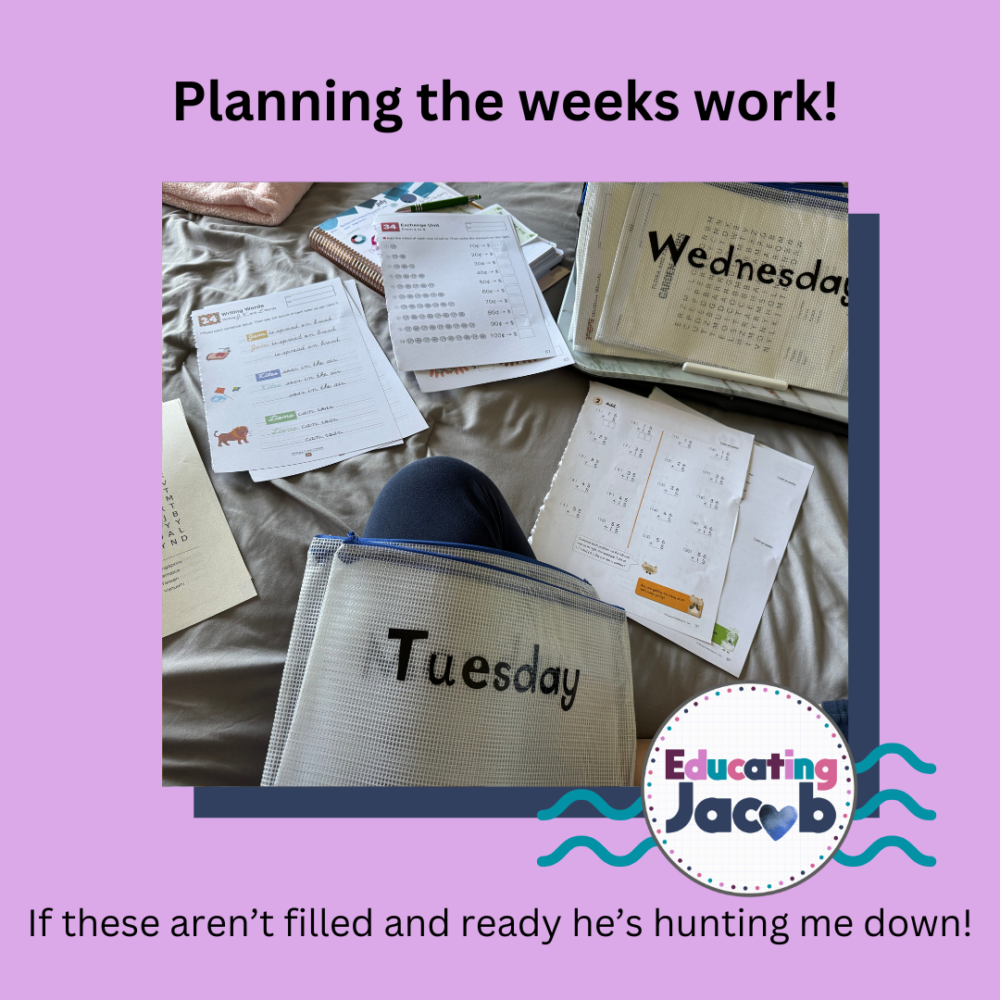
    Today, if I don’t have Jacob’s daily work prepared in the zippered bags we use, he comes looking for it! He hands me the empty bag with a “let’s get this show on the road” look. That visual system makes him feel empowered and grounded in his routine. ➡️ Autism Parenting Mistakes

    Even Through Challenges, Routines Provide Comfort 🌈

    Even last week, after Jacob experienced a seizure, I witnessed how powerful his routine has become. Though tired and needing more rest, by lunchtime, he independently went to his schedule and started working through it. He wanted his normal back. He craved the security of his daily structure.

    That’s what visual schedules for autism success provide. A roadmap to independence, even when days are challenging.

    And yes, it’s enjoyable for them too! When Jacob successfully completes a week of work, he earns a special reward. He selects something from Amazon, usually a movie he’s been anticipating, and we order it together as his achievement reward.

    Visual Schedules Create Opportunity, Not Restriction 🌟

    Visual schedules aren’t about controlling our children. They’re about creating opportunities for:

    • Learning with less frustration
    • Completing tasks with a sense of accomplishment
    • Enjoying life with greater confidence and reduced anxiety

    When we thoughtfully construct schedules, considering their unique needs, joys, sensory profile, and energy patterns, everyone benefits. The entire family experiences more peace and predictability.

    Moving Forward with CALM and Purpose ✨

    If Autism Awareness Month left you feeling overwhelmed or disheartened, please know you’re not alone in this journey.

    Let’s move forward together with intention. Let’s refocus on what truly matters: helping our children thrive through practical strategies and consistent support, one small step at a time.

    Visual schedules represent one crucial piece of the autism support puzzle. They’re a fundamental component of the “Learning to Create Schedules” step in our CALM Frameworks, and they’ve genuinely transformed our daily family life.

    If you’re ready to learn how to build a simple, effective visual schedule tailored to your child’s specific needs, keep following along. I’ll be sharing practical tips, implementation strategies, and ongoing encouragement in upcoming posts. And at the end of this series, you’ll receive an invitation to join our supportive Autism Thrive Tribe community.

    Because here at Educating Jacob, we prioritize:

    • Action over arguments
    • Hope over division
    • Building CALM, one day at a time

    You are never alone on this journey. “Remember, every visual schedule you create is another step toward independence for your child, less anxiety in their daily life, and more peace and happiness for your entire home. We’re cheering you on!”💙

    Join a Community That Understands

    Join 👉 Autism Thrive Tribe offers more than strategies and support. It provides a sanctuary where your experiences are validated, your challenges are met with practical solutions, and your growth as both a parent and person is celebrated.

    Because while this journey may have begun unexpectedly, you don’t have to walk it alone. In fact, the path becomes not just manageable but meaningful when traveled together.

    Your place in this community is waiting. Come as you are—your authentic, imperfect, remarkable self—and discover how connection changes everything 💙

    Read More

  • Stop talking so much! 3 reasons using visual schedules for your autistic child is best!

    Why Visual Schedules Are Best for Your Autistic Child

    How to create visual schedules for autistic children becomes very routine once you’ve started. If you’re parenting a child with autism, you’ve likely been there—feeling the need to explain, guide, and talk your way through daily challenges. But here’s the thing: our children with autism don’t need more words. In fact, using too many words can sometimes increase their anxiety. What they really need are clear expectations and predictable routines, and that’s where visual schedules come in.

    I know what you might be thinking: “Creating visual schedules isn’t a high priority when I’m dealing with meltdowns, therapies, and everything else.” I get it—that was me in the beginning, too. But stay with me, because I promise you, visual schedules are a game changer.

    These simple tools help reduce stress for your child, make transitions easier, and show them exactly what to expect next. And when your child feels calmer and more in control, it benefits the entire family. Visual schedules can support communication, learning, and daily engagement, making life feel less overwhelming for everyone.

    Trust me—it’s a win-win. Let me explain how you can start using visual schedules today to create a more peaceful, predictable day for your child and your family. 🌟 How to reduce chaos at home with an autistic child using my CALM frameworks.

    Visual-schedules-are-a-powerful-way-to-reduce-anxiety-encourage-independence-and-improve-communication-and-daily-engagement
    👉Visual Schedules reduce anxiety and increase engagement!

    Why Visual Schedules Are Essential for Your Autistic Child

    Parenting a child with autism comes with its own set of challenges, and one of the best tools I’ve discovered on this journey is the visual schedule. These schedules are more than just tools for organization—they’re a powerful way to reduce anxiety, encourage independence, and improve communication and daily engagement. 💙

    If you’ve ever struggled to explain what’s coming next or found that your child resists transitions, a visual schedule might just be the game-changer you’ve been searching for. Let’s dive into why they’re so effective and how they can transform your day-to-day life.

    1. Visual Schedules Support Communication

    Many autistic children have language delays or disorders, which can make verbal explanations confusing. Visual schedules provide a clear, simple way to communicate expectations. 📅

    • By pointing to the schedule, you’re showing your child what’s coming next. This non-verbal communication is easy for them to understand and process. Educating Jacob: The Power of Communication in Autism Spectrum Disorder
    • You can use the schedule to map out fun events like going to the movies 🎥 (we’re counting down to see the new Sonic movie in our house!), upcoming dental visits, or even mom and dad’s work schedules.
    • The possibilities are endless, and the consistency helps reduce anxiety while keeping everyone on the same page.

    Tip: Start with just a day or two at a time, and build up to a week or month depending on your child’s comfort level.

    Planning-the-weeks-work-@educatingjacob
    We use routines and visual schedules!

    2. Visual Schedules Promote Learning

    For Jacob, his daily work, meals, and routines are all organized on his visual schedule. It’s not just about what’s next—it’s about making life manageable and predictable. 🧩

    • Each day, his schoolwork is sorted into zippered bags labeled with the day of the week. This helps him know exactly what’s expected without surprises.
    • Even meals, medications, and clothes are part of his daily schedule. He can see his basic routine, and even if something changes, he knows it’s temporary because he can see it on the schedule.
    • When transitions or changes are navigated successfully, we celebrate with rewards! 🎉

    How to create visual schedules for autistic children- let’s talk about why you should. 👉Visual schedules make learning and life predictable, which builds confidence and reduces resistance. How I take a Target $3 find and use for my autistic childs schedule!

    Visual Schedules Encourage Daily Engagement!

    3. Visual Schedules Encourage Daily Engagement

    Without structure, Jacob wouldn’t engage much on his own. His schedule includes a balance of work, chores, and fun activities to keep him actively involved throughout the day. 5 ways to regain my calm when my special needs child is dancing on my last nerve!

    • By adding tasks like schoolwork, independent life skills, and even chores, he learns that we all have responsibilities.
    • Once his tasks are complete, he gets free time to do what he enjoys—just like the rest of the family. Whether it’s playing a game or relaxing, he’s earned it.
    • Jacob now loves completing his tasks and checking them off, just like his mom. ✅ There’s a sense of accomplishment when everything is done for the day.

    Visual schedules help your child engage with the world around them while building independence and routine.

    How to Start Using Visual Schedules

    • Start simple and small. Begin with one part of the day, like mornings, and let your child adjust to the structure.
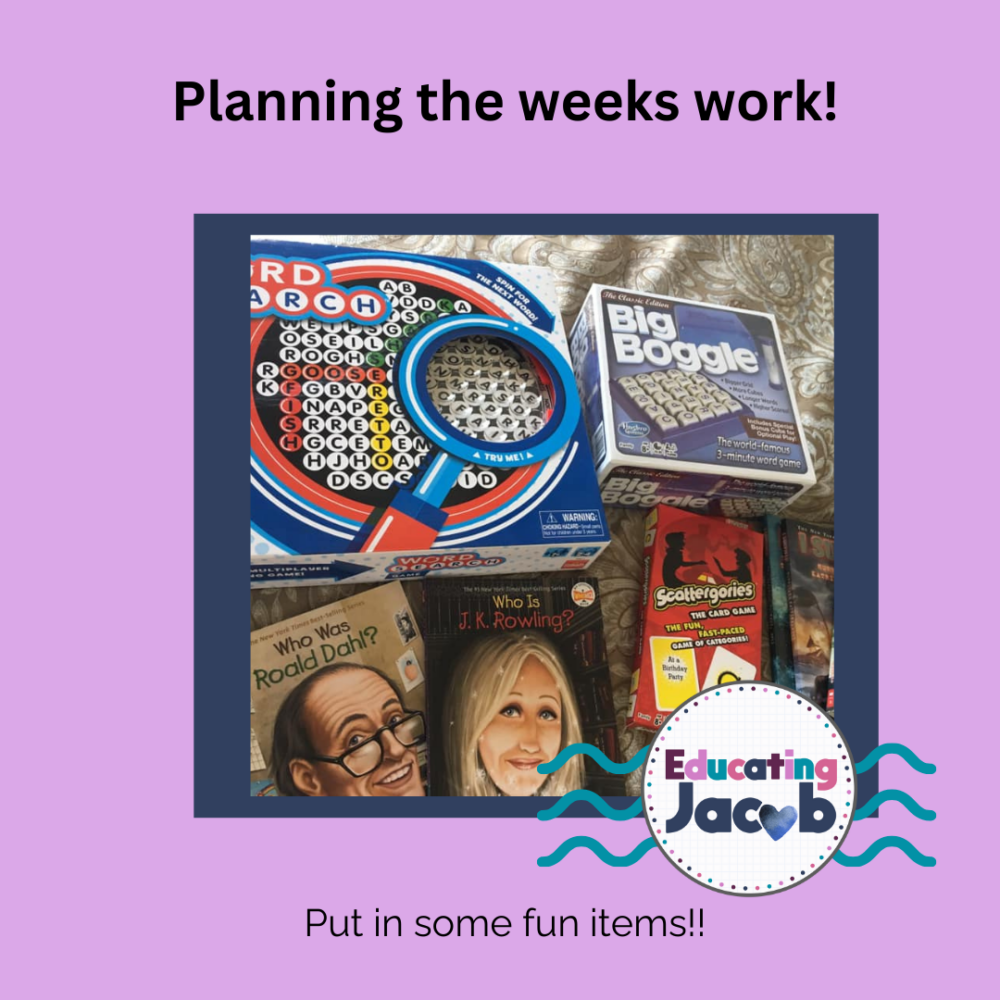
    • Include sensory needs and fun activities. Add comfortable, familiar things they enjoy to show that schedules aren’t overwhelming.
    • Build gradually. Once your child is comfortable with a basic schedule, you can add more complexity over time.
    Make Visual Schedules part of the daily routine!
    The Big Picture

    Visual schedules are more than just a planning tool—they’re a way to support communication, learning, and daily engagement. They reduce anxiety, help your child navigate transitions, and create a sense of accomplishment. https://autismlittlelearners.com/gratitude-impact/

    When Jacob sees his schedule, he knows what to expect. And when he completes his day successfully, he feels proud of his accomplishments—and so do I. 💪

    Trust me, starting small and staying consistent can make all the difference. With a little patience, you’ll find that visual schedules truly are a win-win for your child and your family. 🌟

    Join the Autism Thrive Tribe!

    Are you ready for more support and connection on your parenting journey? Join the Autism Thrive Tribe, a membership community designed to help autism parents create calm, structure, and joy in their homes. As a member, you’ll gain access to exclusive resources, step-by-step guidance, and a network of parents who truly understand. Together, we can thrive!

    Click here to learn more and join today!

    Read More

  • How to reduce chaos at home with an autistic child using my CALM frameworks.

    Through-EducatingJacob-I-guide-parents-of-autism
    Come learn the CALM strategies!

    How to Reduce Chaos at Home with an Autistic Child

    As an autism parent, this is how I reduce chaos at home with an autistic child. The constant balancing act of managing meltdowns, trying to establish routines, and keeping everyone in the family calm is no easy feat. When my son Jacob was younger, chaos seemed like the norm in our house. Mornings were rushed, transitions were tough, and every unexpected change felt like a mountain to climb.

    That’s when I realized: we needed a system. Something simple, effective, and adaptable to Jacob’s needs. That’s how the CALM frameworks came to life—a step-by-step approach to creating structure and peace at home.

    In this guide, I’ll show you how to use visual schedules, consistent actions, and mindset shifts to reduce chaos in your home. Whether your child struggles with transitions, sensory overload, or meltdowns, these tools can help your family thrive.

    Because here’s the truth: calm doesn’t happen by accident🌟—it’s something we can create. Let’s dive into how you can take the first steps today. This too shall pass, how we changed our mindset on autism island!


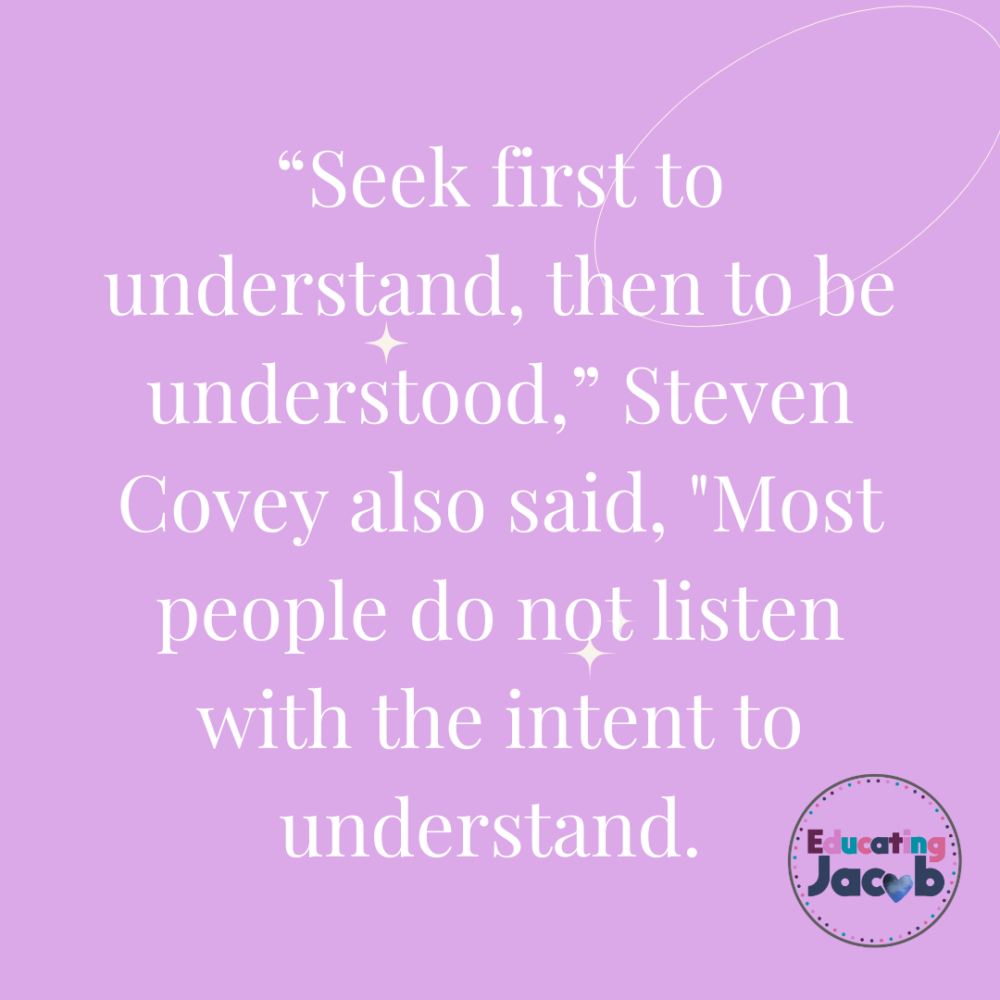
    Steven Covey quote
    Take action show your child that you understand.

    How to Reduce Chaos at Home Using the CALM Frameworks

    Let’s break down how to reduce chaos at home with an autistic child. Each part of the CALM FrameworkConsistent Action Forward, Always Celebrate Wins, Learning to Create Schedules, and Mindset—can help reduce chaos at home while meeting your child’s unique needs.🌈

    C: Consistent Action Forward

    Consistency is key when it comes to reducing chaos. For Jacob, small, repetitive actions created predictability that helped him feel safe. 💙 Routine is where he thrives and understands his day. Once a routine is in place and he has a visual schedule 📅 to see expectations and transitions, his anxiety decreases significantly.

    Consistency isn’t just for our kids—it helps us as parents too. By planning ahead to create a routine and a simple visual schedule, you’re setting your child up for success. 🌟 You can also take this opportunity to accommodate sensory needs 🎧 or build in sensory breaks, making transitions smoother for everyone.

    Tips for Consistency:

    ✅ Start by identifying one area of your day that feels the most chaotic—mornings, mealtimes, or bedtime—and focus on creating a consistent routine for that time. How are using schedules improving our autistic child’s daily life?

    Example:

    Mornings used to be a struggle in our house. 🌅 We started with a consistent wake-up time and simple steps like brushing teeth 🪥, getting dressed 👕, and eating breakfast 🥣 in the same order every day. Over time, Jacob learned what to expect, and the mornings became smoother.

    Consistency gives your child a sense of control and predictability, which builds confidence and reduces frustration. 💪 When you create routines and stick to them, you’re not just managing chaos—you’re building the foundation for calm and success. 🌈

    A: Always Celebrate Wins

    In the hustle of daily life, it’s easy to focus on what’s not working. But celebrating even the smallest wins 🎉 can shift the energy in your home. Positive reinforcement helps your child feel accomplished and encourages them to keep trying, even when things get tough.

    For Jacob, celebrating wins is a key part of his routine. 🏆 He looks forward to a successful week because he knows he can order a movie 🎥 on Amazon every Friday if he’s followed his schedule and routine without pushback.

    If your child is younger or can’t wait an entire week for a reward, consider shorter-term incentives. 🧸 Find something they love—whether it’s a favorite snack 🍪, toy, or activity—and reward heavily until they begin to enjoy the consistency and praise itself.

    Tips for Celebrating Wins:

    ✅ Look for moments when your child succeeds—whether it’s staying calm during a transition, trying something new, or completing a small task—and celebrate it with words, hugs, or high-fives. 🙌

    Example:

    When Jacob successfully transitioned from playtime to dinnertime without resistance, we made a big deal out of it. 🎉 “Jacob, you did such a great job listening! I’m so proud of you.” This kind of positive reinforcement motivated him to keep trying and built his confidence.

    Celebrating wins, no matter how small, creates a positive cycle. 💫 It helps your child feel recognized and valued while reinforcing the behaviors you want to see more often. And don’t forget to celebrate your own wins as a parent—you’re doing amazing work every day! 💕

    L: Learning to Create Schedules

    Visual schedules were a game-changer for our family. 🗓️ They gave Jacob a clear understanding of what was happening next, reducing his anxiety and meltdowns. The whole family wins 🏡 when Jacob has his routines and visual schedules in place.

    He craves structure, and now that he’s used to it, even when changes to his daily routine are necessary, he can better cope because he sees and understands what’s coming. When a change happens, I simply point to his schedule and say, “You’ll be doing something you like (something familiar) soon!” 🧩

    Tips for Creating Schedules:

    ✅ Start by creating a simple visual schedule for one part of the day, like morning or bedtime. Use pictures, words, or a combination, depending on your child’s preferences.

    Example:

    Jacob’s morning schedule included images of a toothbrush 🪥, clothes 👕, and a cereal bowl 🥣. He loved moving the pictures to a “finished” column as he completed each step. ✅ It made him feel accomplished and kept us on track.

    Schedules aren’t just about reducing chaos—they’re about empowering your child. 🌟 By giving them a clear roadmap for the day, you help them build independence and resilience, even when the unexpected happens. 💙 No Schedule for Jacob to Use This Week? No Peace! Autism Challenges 🧩

    M: Mindset

    As autism parents, our mindset is one of the most powerful tools we have. Choosing to focus on progress over perfection 🌟 can transform how we approach challenges and how we feel about our day-to-day life. I’ve learned to see even small steps forward as wins, and it’s been a game-changer for our family.

    📓 Journaling has been especially helpful for me. It keeps me grounded in gratitude 🙏 and allows me to see how far we’ve come. Over time, I’ve learned to use tools like redirection, planning ahead, visual schedules, 🎶 music, and adjusting our environment 🌿 to create chaos-free days. These strategies didn’t just appear overnight—they became clearer as I took consistent action and discovered what worked best for Jacob. https://autismadhdconnection.com/can-occupational-therapy-help-with-autism/#google_vignette

    🛁 Taking care of myself has also been a critical part of this journey. Whether it’s a solo trip to the grocery store 🛒, tea with my best friend ☕, or a bubble bath at the end of a long day, these small acts of self-care help me recharge and show up better for Jacob.

    It’s important to show both yourself and your child grace. 💕 We all have bad days, and that’s okay. What matters is staying consistent and continuing to move forward. It’s so rewarding when you see the progress and realize you’ve averted a meltdown by using strategies like preparation or redirection.

    Clarity-comes-from-taking-action
    Taking action = Clarity!

    Tips for Mindset Success:

    Practice self-compassion and remind yourself that every small step forward is a win, even on the toughest days.
    ✅ Focus on what went well rather than dwelling on the challenges.

    Example:

    When Jacob had a meltdown after a long day, I used to feel like I’d failed. But over time, I shifted my mindset. Instead of focusing on the meltdown, I reflected on earlier successes—like how well he handled his therapy session.

    Remember: bad days will still happen—we’re all human. 🌈 But by staying consistent and focusing on progress, you’ll start to see the momentum shift toward great days for your whole family. 💪 The action you take today builds the foundation for a calmer, happier home tomorrow.


    Take the First Step Toward Calm Today

    Reducing chaos at home with an autistic child isn’t about making everything perfect—it’s about creating small, intentional changes that add up to big results. By using the CALM Frameworks, you can build routines, celebrate progress, and cultivate a mindset that helps your whole family thrive.

    Start with one step today: choose a chaotic moment in your day and apply one part of the CALM Framework. You’ll be amazed at how even small changes can make a huge difference.

    If you’re ready for even more guidance, accountability, and community, I’d love to invite you to join the Autism Thrive Tribe as a Founding Member! This supportive group is designed to help autism parents like you implement the CALM frameworks, connect with others who get it, and create a peaceful, thriving home life.

    Let’s take this journey together. You’ve got this—and I’m here to support you every step of the way!

    Warmly,
    Melissa Garcia
    Coach for Autism Parents

    Read More