

Mastering Autism Behavior Management
🚨 Parenting a child on the autism spectrum comes with unique challenges, especially when you feel you need a class in Mastering Autism Behavior Management. If you feel like your home is constantly on the edge of chaos, you’re not alone. But here on Autism Island, we believe that every challenge is an opportunity to learn, adapt, and grow. 🌟
Finding effective behavior management strategies isn’t just about reducing stress for parents; it’s about giving children with autism the tools they need to thrive. A structured, supportive environment can minimize anxiety, promote independence, and create a sense of security—all of which are crucial for their success. Stop Morning Chaos: How to start using Visual Schedule for Autism and CALM
Through my experiences as both a special education teacher and Jacob’s mom, I’ve learned that behavior management isn’t about control—it’s about understanding, structure, and support. That’s where my CALM Framework comes in. These three essential strategies will help reduce negative behaviors, promote positive ones, and create a more peaceful home environment. 🏡💙
Let’s talk—you don’t need a master’s degree in special education, but a heart full of love and consistent action forward! Celebrating each step!! 🎉 From unpredictable meltdowns to struggling with transitions, every day can feel overwhelming. If you feel like your home is constantly on the edge of chaos, you’re not alone. But here on Autism Island, we believe that every challenge is an opportunity to learn, adapt, and grow. 🌟
Finding effective behavior management strategies isn’t just about reducing stress for parents; it’s about giving children with autism the tools they need to thrive. A structured, supportive environment can minimize anxiety, promote independence, and create a sense of security—all of which are crucial for their success.
1. Create Predictability with Consistent Routines ⏳
Children with autism thrive on predictability. When they know what to expect, their anxiety decreases, making transitions smoother and reducing meltdowns. 😌 How to achieve CALM on Autism Island, daily life on the spectrum.
How to Implement It:
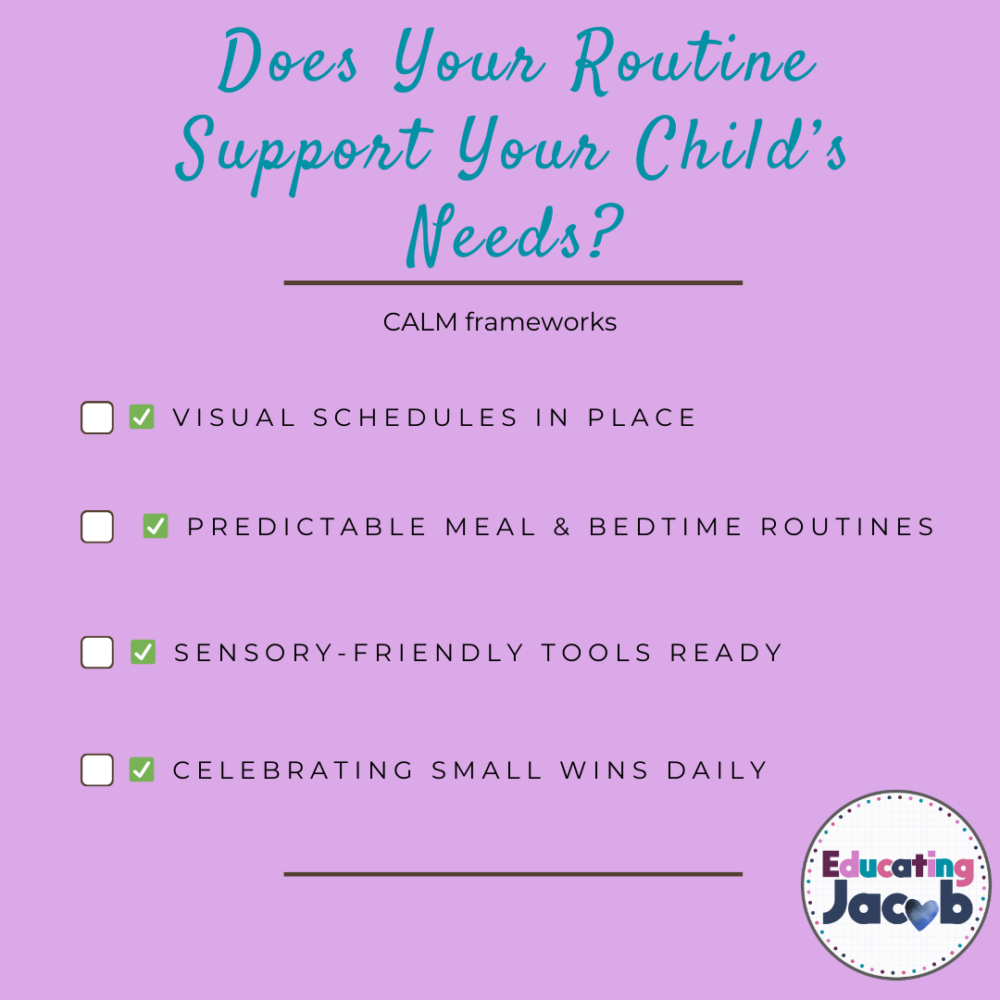
- 📌 Use Visual Schedules – A picture-based or written schedule can help your child anticipate daily activities.
- 🕒 Follow a Routine – Keep meal times, bedtime, and transitions consistent each day.
- 🔄 Prepare for Changes – When disruptions to the routine occur, use social stories or visual cues to explain the change.
🔹 Example: Mornings used to be tough for Jacob. But once we introduced a visual schedule, he knew what to expect each morning: wake up, brush teeth, get dressed, eat breakfast. Over time, his anxiety lessened, and mornings became much smoother. 🌅
📝 Pro Tip: Start small—choose the most stressful part of your day and create a predictable routine for it. ✅
2. Encourage Positive Behaviors with Reinforcement 🎉
Too often, we focus on stopping negative behaviors rather than encouraging positive ones. Positive reinforcement is one of the most effective tools for shaping behavior. 👍✨
How to Implement It:
- 🎊 Celebrate Small Wins – Recognize and praise your child for even small successes.
- 🎁 Use Preferred Rewards – Whether it’s extra screen time, a favorite snack, or a special activity, make the reinforcement meaningful.
- 🔁 Stay Consistent – Reinforce behaviors immediately so your child can make the connection.
🔹 Example: Jacob used to resist following his schedule. At first, I rewarded him with a small treat each time he completed a step. Now that he understands the process, he works towards a weekly reward—choosing a new movie to order on Amazon. 🎬
📝 Pro Tip: If you’re just starting with reinforcement, reward frequently to build momentum. Over time, space out rewards to encourage intrinsic motivation. 🏆 https://www.autismsociety-nc.org/healthy-habits-conference-2/
3. Adjust the Environment for Sensory Needs 🎧
Many behavioral challenges stem from sensory sensitivities. Identifying and accommodating these needs can help prevent meltdowns before they start. 🌈
How to Implement It:
- 🏡 Create a Sensory-Friendly Space – A quiet, calming area can serve as a retreat when your child feels overwhelmed.
- 🛑 Use Sensory Tools – Noise-canceling headphones, weighted blankets, or fidget tools can help with self-regulation.
- 💡 Modify the Environment – Pay attention to lighting, noise levels, and clothing textures that might be triggering.
🔹 Example: Jacob becomes overwhelmed in loud, crowded spaces. Now, before we go out, we bring noise-canceling headphones and let him know what to expect. This small adjustment has made a huge difference in his comfort level. 😌🎧
📝 Pro Tip: Observe your child’s reactions to different sensory inputs and adjust their environment accordingly to reduce stress triggers. 🧩
Take the First Step Toward a Calmer Home 🏠
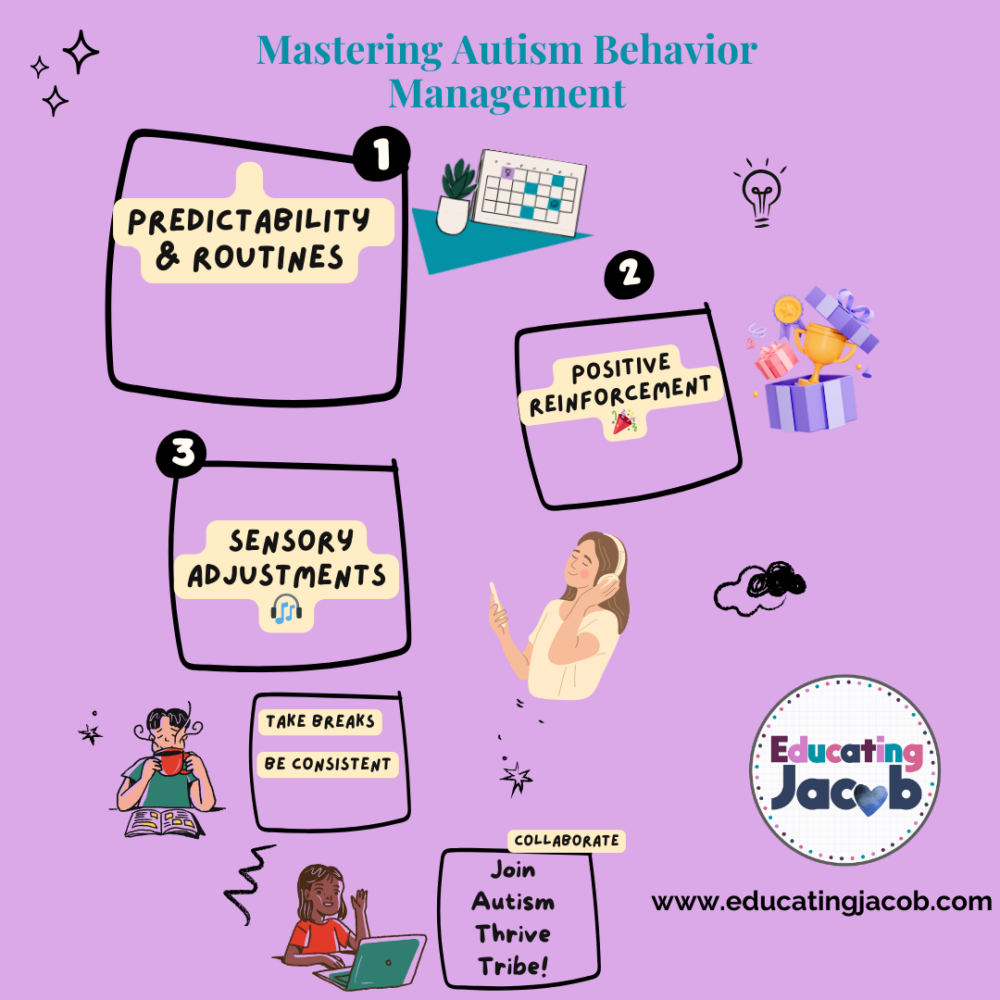
Behavior management isn’t about perfection—it’s about progress. 🚀 By implementing consistent routines, reinforcing positive behaviors, and adjusting the environment for sensory needs, you can transform daily challenges into opportunities for growth. 🌟
If you’re looking for ongoing support, I invite you to join the Autism Thrive Tribe—a community designed to help parents like you implement these strategies with confidence. 💙
📢 Spots for founding members are limited! Click below to learn more and sign up today. ⬇️ 👉 Join the Autism Thrive Tribe Today!
1 Comment on Mastering Autism Behavior Management: 3 Strategies for Success